





I used to feel like I was running a one-person cleaning service in my own house. No matter how many times I asked, nothing got done unless I did it myself. That changed when I discovered chores for kids by age and started assigning tasks that actually matched what my kids could handle.
Almost instantly, the resistance dropped, the reminders slowed down, and something unexpected happened. My kids started helping without being asked. If you’re tired of repeating yourself and want a system that works in real life, this is exactly what I wish I had followed from the beginning.
Why Should Kids Have Chores in the First Place?
When I first introduced chores, I thought it was about keeping the house clean. I quickly realized it goes much deeper.
Chores help kids build independence, confidence, and a sense of contribution. In the US, where routines and structure play a big role in family life, teaching responsibility early sets kids up for long-term success.
More importantly, kids begin to see themselves as part of the household team instead of just beneficiaries of it.
How I Decide What Chores Fit Each Age
I used to assign chores randomly, and it never worked. Now I follow a simple rule.
If my child can understand the task, complete most of it safely, and stay focused long enough to finish, it’s the right fit.
This approach helps me avoid frustration on both sides and keeps expectations realistic.
Chores for Toddlers (Ages 2–3): Starting With Simple Habits
At this age, I focus on involvement rather than perfection. Toddlers love to mimic adults, so I use that natural behavior.
I guide them to pick up toys and books and place them in bins. They put dirty clothes in the laundry hamper and help wipe small spills with a cloth. I also let them dust low surfaces using a sock or soft cloth.
Sometimes, I let them help feed pets by pouring pre-measured food. Even simple tasks like stacking books or magazines help build early habits.
The key here is supervision and encouragement. I always praise effort instead of expecting perfect results.
Chores for Preschoolers (Ages 4–5): Building Daily Routines
Preschoolers can follow simple instructions, so this is where routines begin to form.
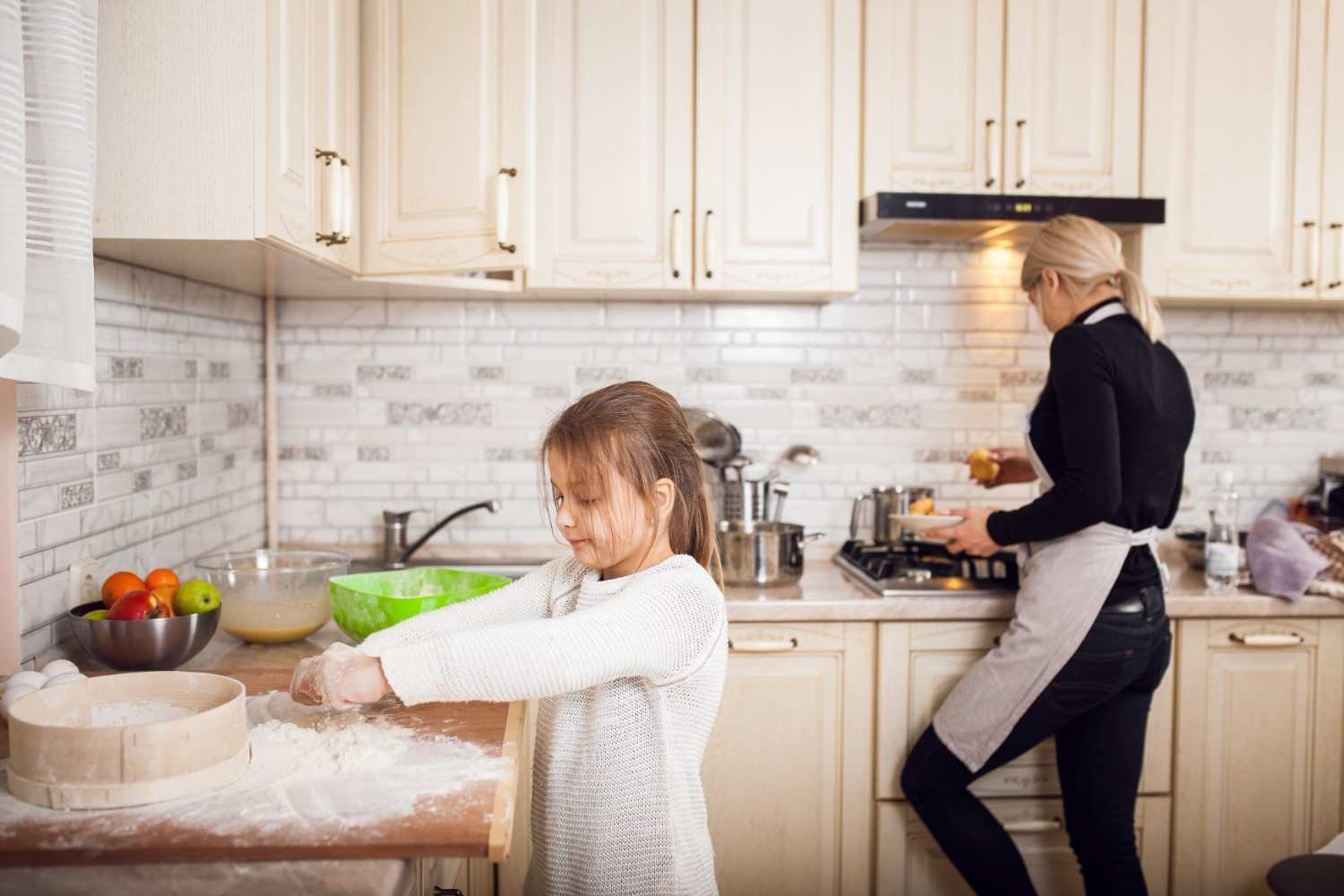
I ask them to make their bed, even if it’s messy. They help clear the table and place non-breakable items near the sink. Setting the table with napkins and utensils becomes part of their daily routine.
They also enjoy watering indoor plants and sorting laundry into whites and colors. I sometimes let them use a small handheld vacuum for crumbs, which they surprisingly enjoy.
This stage is all about consistency. Once a routine forms, resistance drops significantly.
Chores for Kids by Age 6–9: Encouraging Independence
This is where I see real growth. Kids can handle more responsibility and need less supervision.
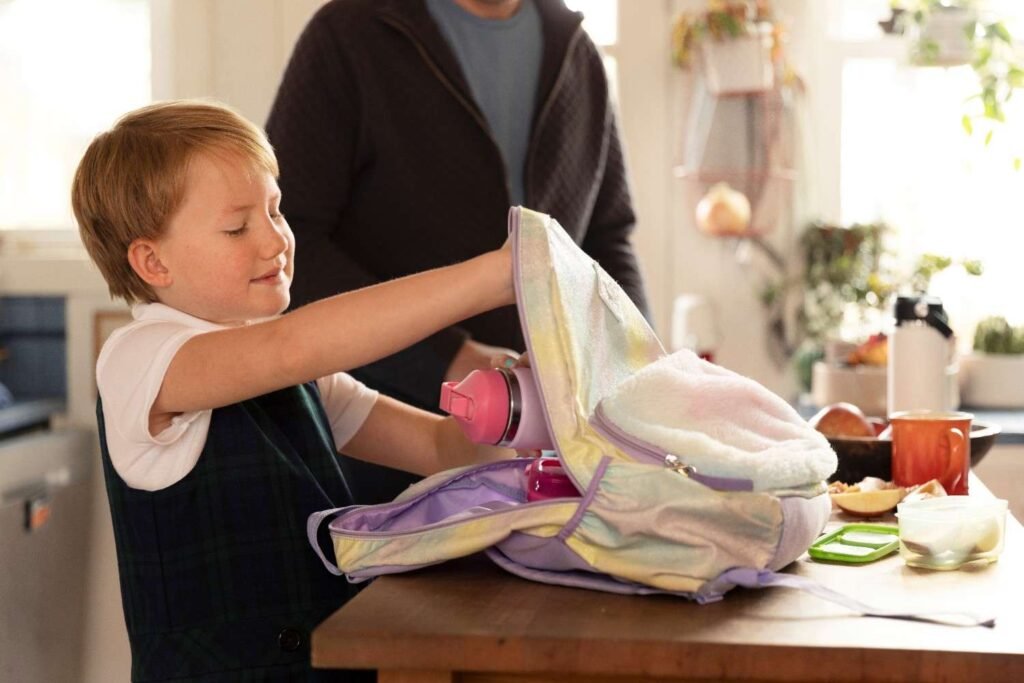
They sweep or mop small areas, load and unload the dishwasher with safe items, and pack their school lunch. I also encourage them to prepare simple snacks and organize their own belongings.
They fold laundry, put it away, and take out trash or recycling. With supervision, they can even help walk the dog in a safe environment.
This is the stage where independence really starts to develop, and I make sure to step back just enough to let them learn.
Chores for Kids by Age 10–13: Building Accountability
Preteens are capable of much more than we often expect.
At this stage, my kids wash the family car with supervision, clean bathrooms, and change their own bed sheets. They can mow the lawn using a push mower and prepare simple meals like pasta or eggs.
I also allow limited babysitting of younger siblings when I’m nearby. This builds trust and responsibility.
This is where I introduce accountability. If a chore is missed, we talk about it and reset expectations.
Chores for Teens (Ages 14+): Preparing for Real Life
Teenagers should be ready for real-world responsibilities.
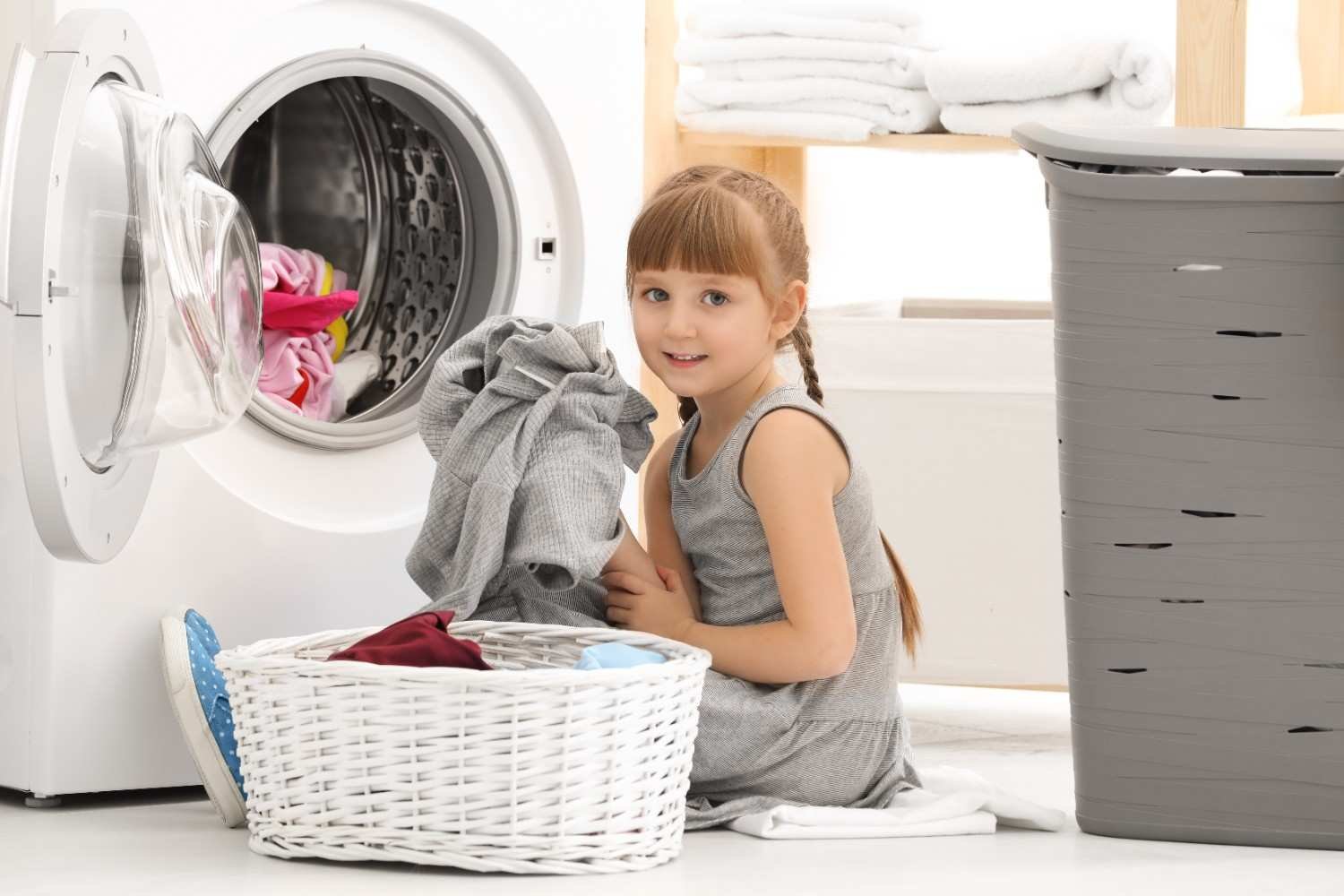
They manage their own laundry completely, from washing to folding. They deep clean kitchen appliances like the microwave or fridge and cook full meals using recipes.
I also involve them in grocery shopping using a list, which helps build life skills. They can handle basic home maintenance like changing light bulbs or checking tire pressure.
At this stage, chores are no longer optional tasks. They are part of becoming independent adults.
How I Teach Chores Without Daily Arguments
This was my biggest struggle in the beginning.
Now, I teach chores in three steps. First, I demonstrate. Then I guide them while they try. Finally, I let them take over completely.
I focus on progress instead of perfection. Younger kids don’t need flawless results. They need encouragement.
I also stay consistent. When expectations don’t change, kids adapt faster.
How to Build a Daily Chore Routine That Sticks
What changed everything for me was building a routine instead of giving random instructions.
I assign two to three daily tasks based on age. Then I attach them to existing habits like bedtime or dinner time.
For younger kids, I use visual aids like chore charts or magnetic boards. These tools work especially well in US households where structured routines are common.
Consistency is what makes the system work. Once it becomes a habit, I no longer need to remind them constantly.
Should Kids Get Paid for Chores?
I’ve tested different approaches, and here’s what works best in my home.
Basic chores are expected because they are part of family responsibility. Extra tasks can earn money.
This approach teaches both responsibility and financial awareness. Kids understand that effort has value without expecting payment for everything.
Common Mistakes I Avoid Now
I used to overload my kids with too many tasks. That never worked.
Now, I keep chores simple and age-appropriate. I also avoid redoing their work immediately because that discourages effort.
Most importantly, I don’t rely on constant reminders. I build systems instead of repeating instructions.
FAQs: Chores for Kids by Age
1. What chores should a 5-year-old do?
A 5-year-old can set the table, pick up toys, water plants, and help with simple cleaning tasks under supervision.
2. What chores should a 7-year-old do?
They can fold laundry, clean their room, help with dishes, and prepare simple snacks with guidance.
3. Should kids do chores every day?
Yes, daily chores build routine and responsibility. Even small tasks make a big impact over time.
4. How do I get my kids to do chores without nagging?
Create a consistent routine, set clear expectations, and use visual aids like chore charts to reinforce habits.
What Actually Works Long-Term
If there’s one thing I’ve learned, it’s this. Teaching chores for kids by age isn’t about having a perfect home. It’s about raising capable, confident kids who know how to contribute while building essential social skills for kids.
Start small, stay consistent, and adjust as your child grows. Over time, these habits become part of who they are.
And once that happens, everything at home feels easier, calmer, and far more balanced