

I used to wait for the perfect mood to get things done, but I quickly learned why discipline beats motivation in real life. Motivation gave me a strong start, but it never lasted. Discipline, on the other hand, helped me stay consistent even on days when I felt tired or distracted, and that changed everything.
Discipline Vs Motivation Made Simple
Understanding this idea clearly can completely change how you approach your goals.
Motivation Is A Fleeting Emotion
Motivation often feels powerful at the beginning of any goal. You feel excited, energized, and ready to take action. But the problem is that motivation depends on your mood. It can disappear because of stress, lack of sleep, or even small distractions. That makes it unreliable for long-term progress.
Discipline Is A Reliable System
Discipline is not based on how you feel. It is a system you follow regardless of your emotions. When you rely on discipline, you remove uncertainty. You know what needs to be done, and you do it. That consistency is what makes discipline more powerful than motivation.
Why This Difference Matters Daily
Once I stopped relying on motivation, I started seeing real progress. I built routines, mindful travel habits, that worked even when I did not feel inspired. This shift made my actions more consistent and reduced the pressure of waiting for the right moment.
Core Reasons Discipline Wins Daily
These core reasons explain why discipline leads to better results over time.

Reliability Vs Volatility
Motivation is unpredictable because it depends on feelings, your energy levels, and external situations. Some days you feel ready, and other days you do not. Discipline removes that volatility. It becomes a steady system that works every day, no matter what is happening around you.
Habit Formation Builds Consistency
Discipline helps you build habits that become automatic over time. Once something becomes part of your routine, it requires less effort. I noticed that when I repeated small actions daily, they became easier. Over time, those habits created consistent results without relying on motivation.
Identity And Self Belief
Every time you act with discipline, you reinforce your identity. You start seeing yourself as someone who follows through. This shift builds confidence. Instead of trying, you become someone who does, and that mindset change is powerful.
Reduced Decision Fatigue
When you depend on motivation, you have to convince yourself every day. That creates mental fatigue and hesitation. Discipline removes that internal debate. Your routine is already decided, which frees up your energy for more important tasks.
Resilience During Challenges
Motivation often disappears when things get difficult. Stress, setbacks, and pressure can easily disrupt it. Discipline thrives in those moments. It keeps you moving forward because it is tied to commitment, not emotions.
How Habits Strengthen Consistency
Habits make discipline easier to maintain over time.

Turning Effort Into Routine
When you repeat actions daily, they become part of your routine. What once required effort starts to feel natural. This transformation reduces resistance and makes it easier to stay consistent.
Removing The Need For Willpower
Habits reduce the need for constant decision-making. You do not rely on willpower because your actions are already built into your routine. This makes it easier to stay disciplined even on low-energy days.
Building Long Term Momentum
Small habits create momentum over time. Each consistent action builds on the previous one. That momentum helps you stay committed and makes long-term success more achievable.
Discipline And Long Term Success
This is where discipline truly proves its value.
Consistency Creates Results
Success is not about doing something once. It is about showing up repeatedly over time. Discipline ensures that you keep taking action, which leads to measurable progress.
Predictable Progress Matters
Motivation is unpredictable, which makes progress inconsistent. Discipline creates a predictable system that you can rely on. This predictability helps you stay on track and avoid setbacks.
Small Actions Lead To Big Wins
When you stay disciplined, even small efforts add up. Over time, those small actions create significant results. This approach makes success more sustainable and less overwhelming.
Step By Step Plan To Build Discipline
Here is how you can apply this concept in your daily life.
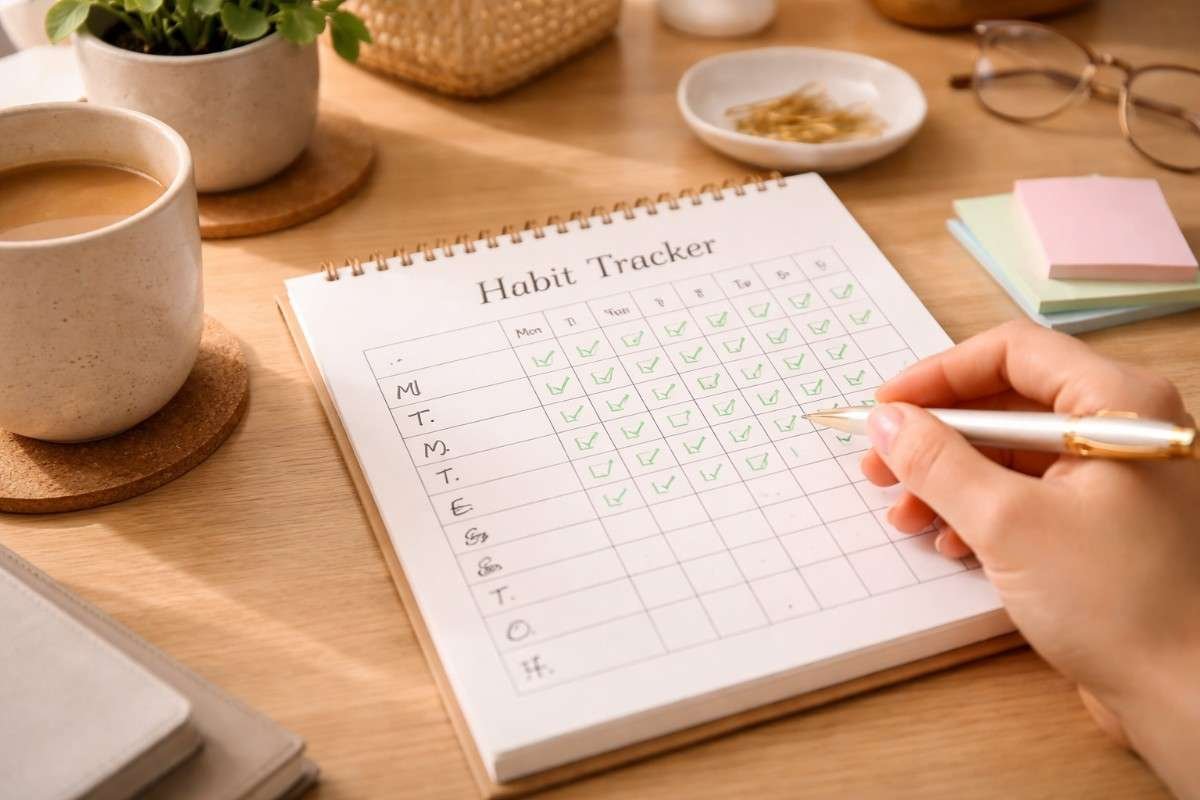
First, start small. Instead of setting big goals, focus on simple actions that you can repeat daily. This builds the habit of showing up without feeling overwhelmed.
Next, treat your tasks like fixed appointments. When you schedule something, commit to it just like you would any important meeting. This reduces the chances of skipping it.
Then, reduce friction in your environment. Prepare everything in advance so that taking action becomes easier. For example, setting up your workspace or planning your tasks ahead of time removes barriers.
Finally, track your progress regularly. Seeing your consistency helps reinforce your discipline and motivates you to continue. Over time, this builds confidence and strengthens your routine.
Common Mistakes That Break Discipline
Avoiding these mistakes can help you stay consistent.
Waiting For Motivation
Many people wait until they feel ready, but that moment rarely comes. Taking action first often creates momentum, which is more reliable than waiting.
Setting Unrealistic Expectations
Trying to do too much at once can lead to burnout. This makes it harder to stay disciplined. Starting small helps you build consistency without feeling overwhelmed.
Ignoring Systems And Structure
Without a clear system, it is easy to lose focus. Relying on willpower alone is not sustainable. Creating routines helps you stay on track and maintain discipline.
Frequently Asked Questions
1. Why Discipline Beats Motivation In Daily Life?
Discipline ensures consistency even when motivation fades, helping you stay on track with your goals.
2. Can Motivation And Discipline Work Together?
Yes, motivation helps you start, but discipline ensures you continue and achieve long-term success.
3. How Long Does It Take To Build Discipline?
It varies, but consistent daily actions over a few weeks can help establish disciplined habits.
4. What Is The First Step To Becoming Disciplined?
Start with small, repeatable actions and focus on consistency rather than perfection.
Be Disciplined For A Better Life
At the end of the day, why discipline beats motivation comes down to consistency and reliability. Motivation may give you a strong start, but it is discipline that keeps you moving forward. When you build simple habits and follow a system, you no longer depend on how you feel. That is how real progress and lasting success are achieved.