
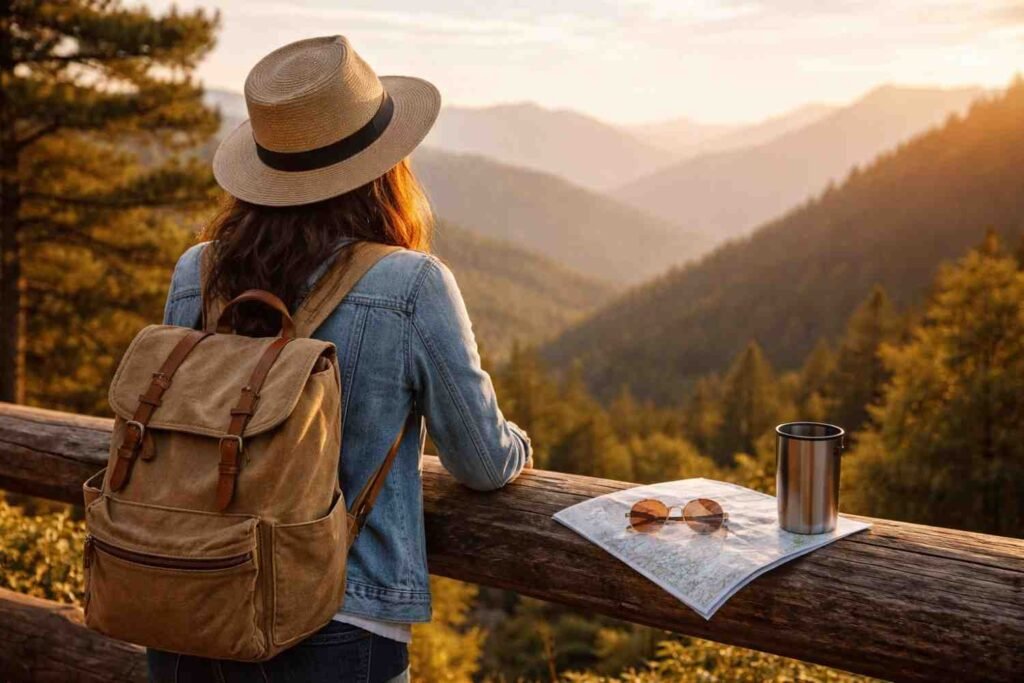
A few years ago, most people saw travel as a reward. Something you did after working too hard for too long. Now, many people see it differently. Travel is no longer just a break from life; it has become something that helps people handle life better. When work, screens, notifications, and routines start to feel overwhelming, stepping into a new place can feel like pressing a reset button on your brain.
I started noticing this shift when more people began taking short trips not for sightseeing, but to clear their heads. Weekend trips, solo trips, nature trips, and even silent retreats started becoming more common. People weren’t just traveling to escape work. They were traveling to reconnect with themselves. That’s why travel as a form of self-care is becoming more common than ever before.
Travel Helps You Mentally Reset
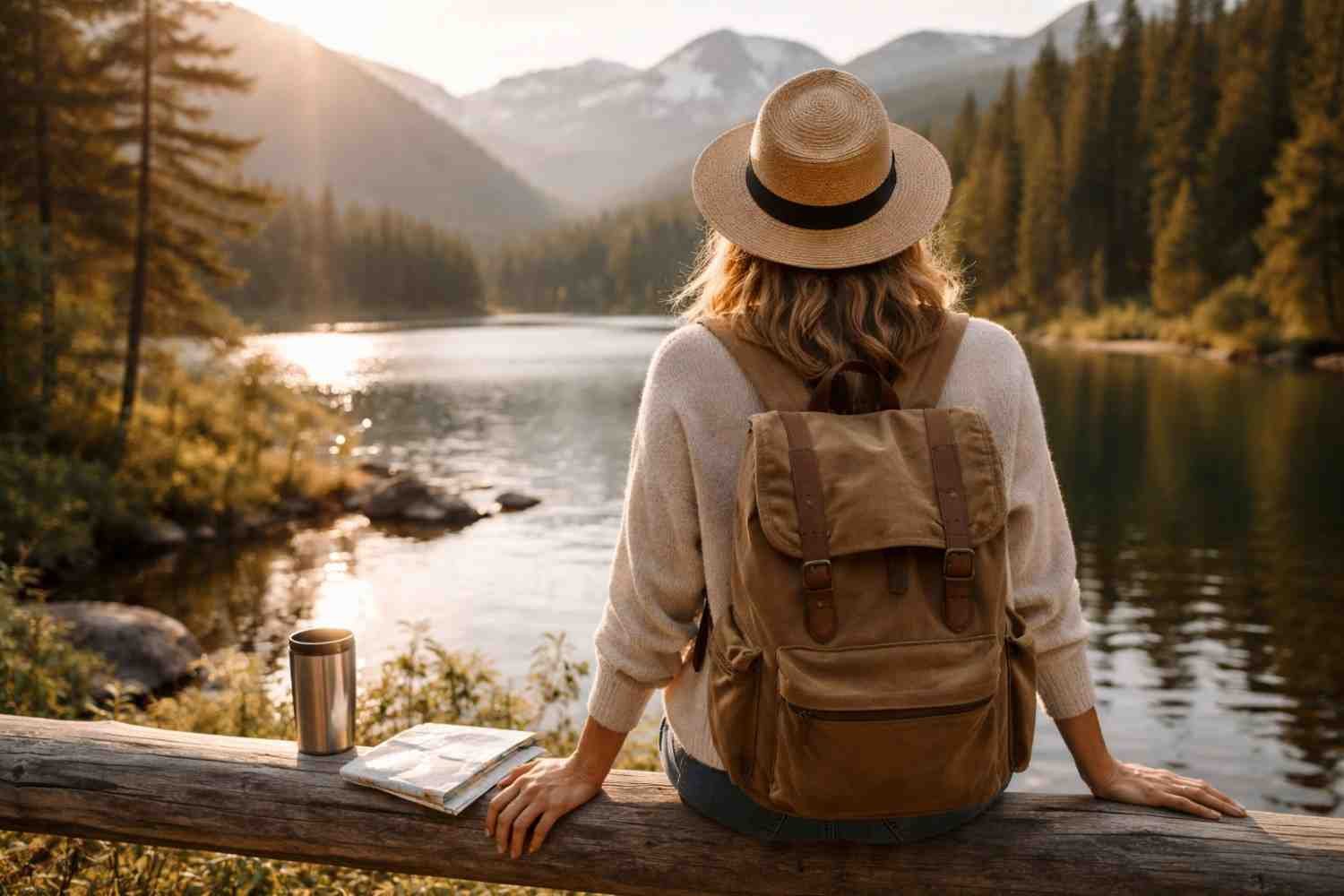
One of the biggest reasons people are turning to travel for mental wellness is the mental reset it provides. When you stay in the same environment every day, your brain runs on autopilot. Same commute, same desk, same conversations, same routine. Over time, this repetition leads to mental fatigue and burnout.
Travel interrupts those patterns. New streets, new food, new people, new sounds, your brain wakes up again. Studies show that new environments increase cognitive flexibility and creativity because your brain starts forming new connections instead of repeating old ones. This is why many people return from trips feeling clearer, calmer, and more motivated.
Even a short trip can:
- Reduce stress levels
- Improve mood
- Increase creativity
- Help with burnout recovery
- Improve overall wellbeing
Travel doesn’t have to be long or expensive to work as self-care. Sometimes, a three-day trip can change your mindset more than a long vacation.
The Self-Care Starts Before The Trip
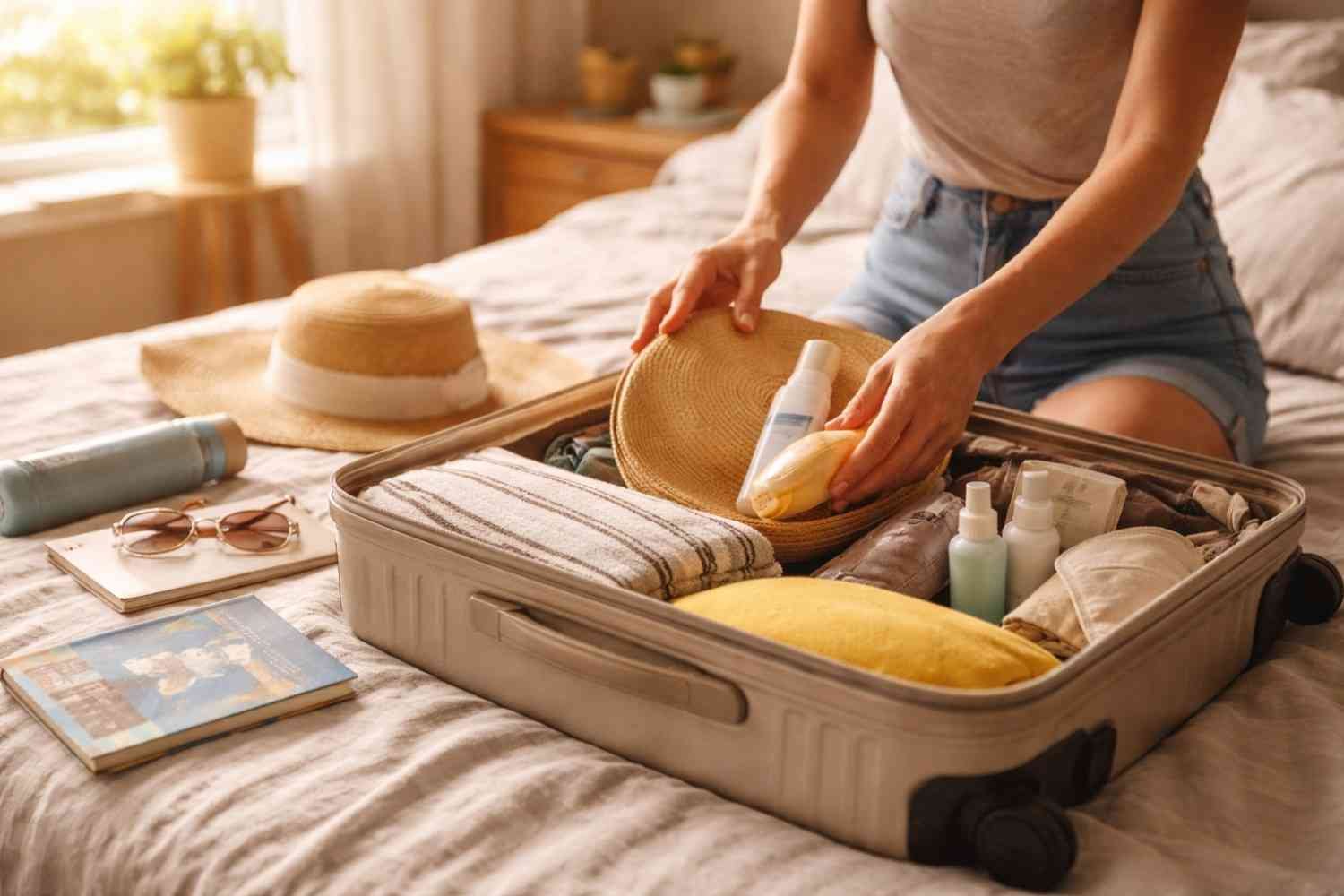
One interesting thing about travel that many people don’t realize is that the benefits start before the trip even begins. Planning a trip, researching places, booking hotels, creating itineraries, all of this gives you something positive to look forward to.
Anticipation is powerful. Having something planned in the future often improves mood, reduces stress, and makes daily routines easier to handle. Many people say they feel happier weeks before their trip because they know they have a break coming.
This is one reason why people now take multiple small trips instead of one big vacation. It gives them something to look forward to throughout the year, which helps with stress management and mental health.
Travel Breaks The Burnout Cycle
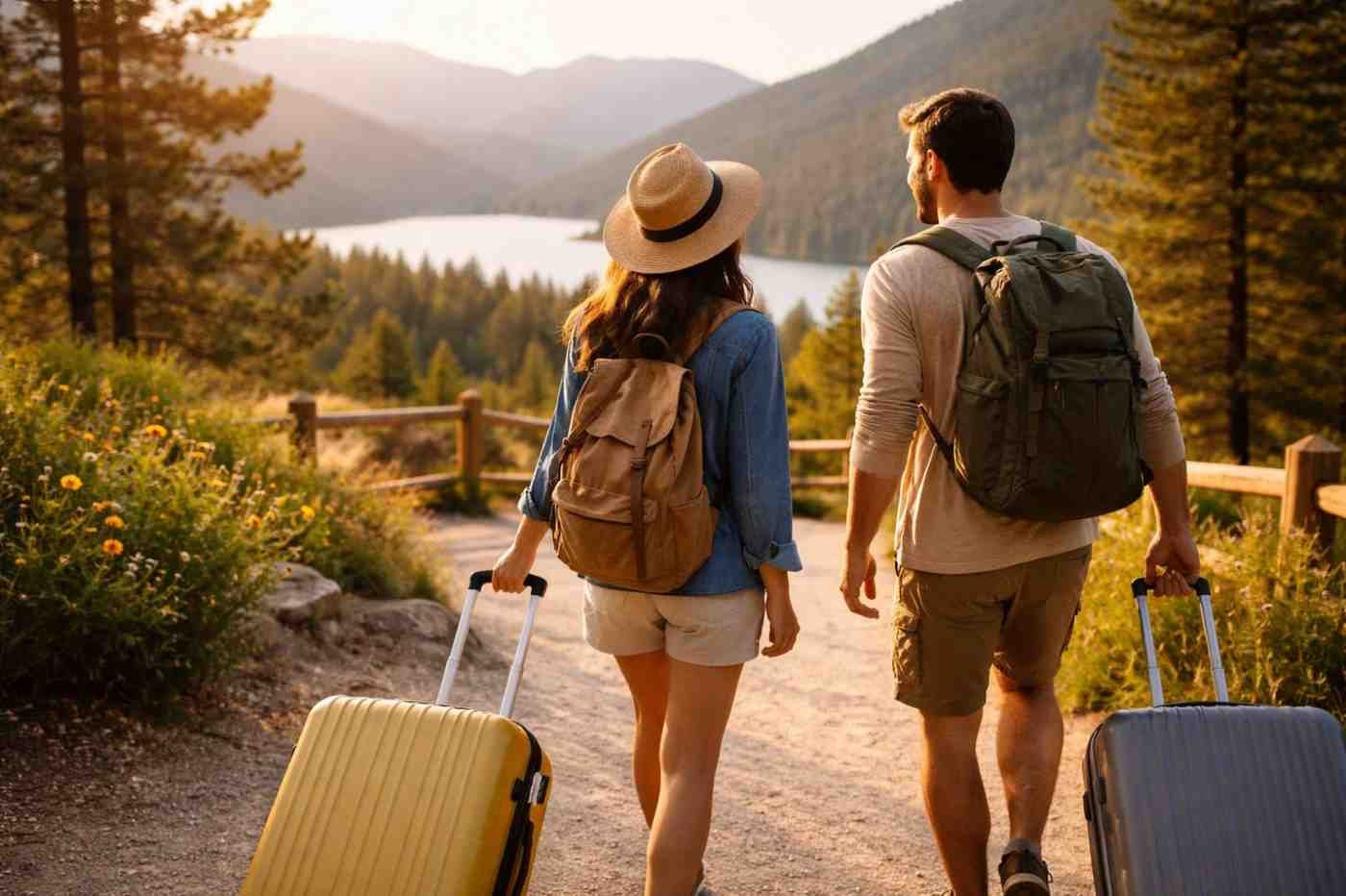
Modern work culture often rewards people for being busy all the time. Many people feel guilty taking breaks, but this mindset often leads to burnout, exhaustion, and a lack of motivation. Travel is slowly becoming a way for people to step out of that cycle and recharge properly.
When people travel intentionally for self-care, they usually do things differently from regular vacations. They don’t try to see everything or rush through attractions. Instead, they slow down and focus on how they feel rather than what they see.
Self-care travel often includes:
- Slow mornings without alarms
- Walking instead of rushing
- Spending time in nature
- Journaling or reflecting
- Trying new activities
- Taking a digital detox from work and social media
This kind of travel helps people return feeling more energized instead of more tired.
Solo Travel and Self-Discovery
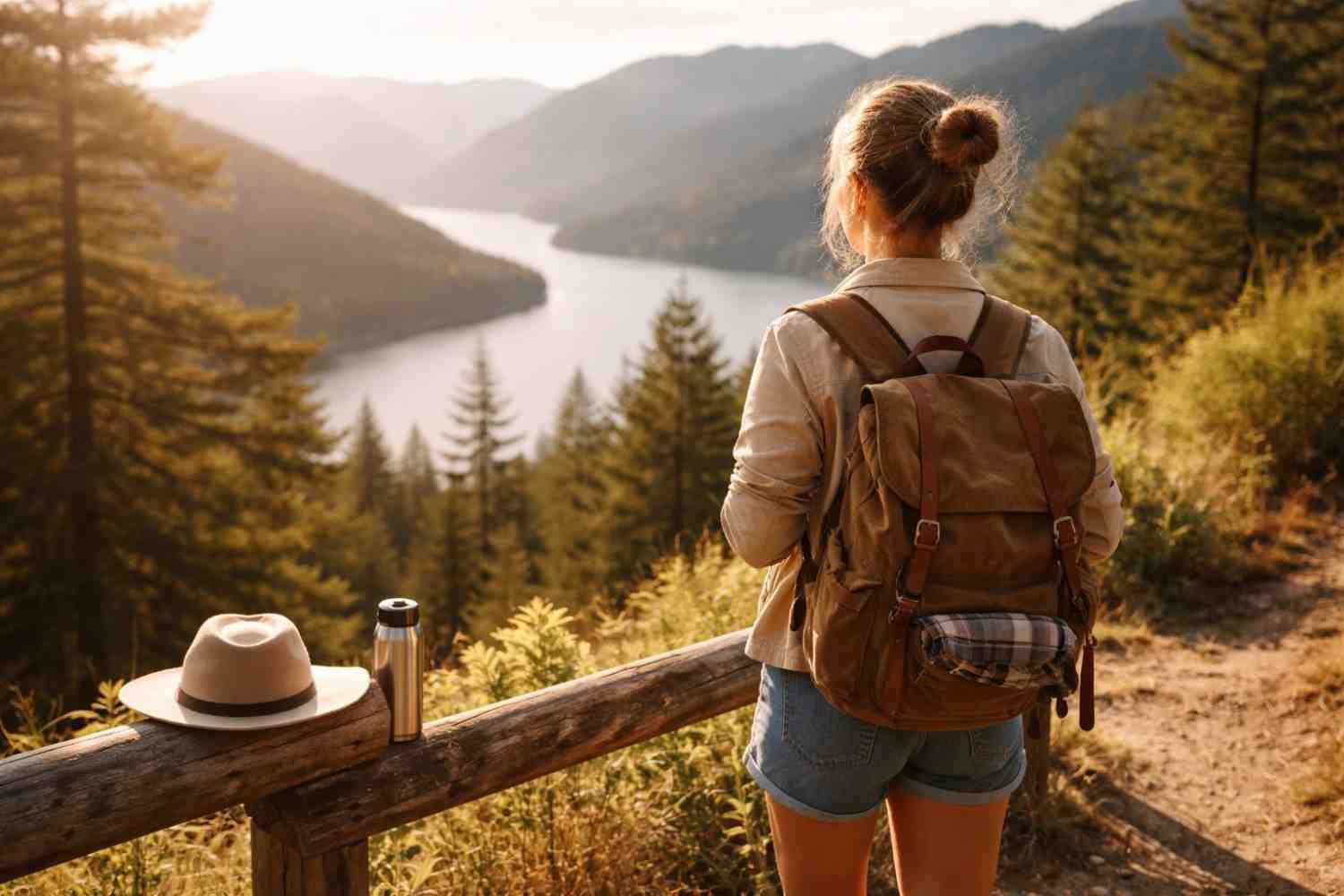
Another reason travel as a form of self-care is growing is the rise of solo travel. Traveling alone forces you to make decisions, solve problems, talk to new people, and step outside your comfort zone. This builds confidence and independence.
Many people say solo travel helped them:
- Become more confident
- Learn how to handle uncertainty
- Understand themselves better
- Become more independent
- Reset their life direction
- Heal emotionally after stressful life events
When you travel alone, you spend more time thinking, observing, and reflecting. This often leads to personal growth and self-discovery, which is why many people now see travel as personal development, not just leisure.
FAQs: Why More People Are Choosing Travel As A Form Of Self-Care Today
1. Is travel really considered self-care?
Yes, travel can be a form of self-care because it reduces stress, improves mood, breaks routine, and helps people mentally reset. It also supports personal growth and emotional well-being.
2. How does travel help mental health?
Travel helps mental health by reducing burnout, increasing happiness, improving creativity, and providing a break from daily stress and routine environments.
3. Is solo travel good for self-care?
Solo travel is often very effective for self-care because it builds confidence, independence, and self-awareness while giving time for reflection and personal growth.
4. Do short trips work as self-care travel?
Yes, even short weekend trips can help reset your mind, reduce stress, and improve your mood. Travel does not need to be long to have mental health benefits.
Final Thoughts
Travel is slowly becoming less about escape and more about recovery, clarity, and personal growth. People are realizing that constantly working without resetting their minds leads to burnout, frustration, and a lack of motivation. Travel gives people space to think, breathe, reflect, and return with a new perspective. Sometimes the biggest benefit of travel is not the places you see but the version of yourself that comes back.
Travel does not fix everything, but it often gives people the pause they didn’t know they needed. And sometimes, a pause is exactly what self-care looks like.