

Most kids naturally pick up everything they need socially, but I was quick to realized that social skills for kids need guidance and practice. When my child struggled to express feelings and connect with others, I started focusing on simple, everyday habits that made a real difference. If you are navigating the same journey, you are not alone.
What Are Social Skills For Kids
Social skills for kids are the verbal and nonverbal tools they use to communicate, build relationships, and handle everyday interactions. These include how they speak, listen, react, and understand others in social situations.
These skills go beyond basic conversation. They shape how children manage emotions, respond to challenges, and connect with peers. Strong social skills help children feel confident and capable in different environments.
Why Social Skills Matter
Children who build strong social abilities tend to succeed better in school and relationships. They are more comfortable expressing themselves and collaborating with others. I noticed that once my child started improving small habits like listening and responding, their overall confidence grew naturally and consistently.
Core Social Skills Every Child Needs
Communication is one of the most important skills. Kids need to learn how to express their thoughts clearly while also understanding others through active listening. Empathy is equally important. When children recognize and respect the feelings of others, they build stronger and healthier relationships.
Skills like sharing, cooperation, patience, and basic manners also play a key role. These everyday behaviors help children navigate real-life situations more effectively.
Why Some Kids Struggle With Social Skills For Kids
Not every child develops social abilities at the same pace. Some children need more time, guidance, or exposure to social situations to feel comfortable. I realized that instead of pushing my child, understanding their struggles helped me support them more effectively.
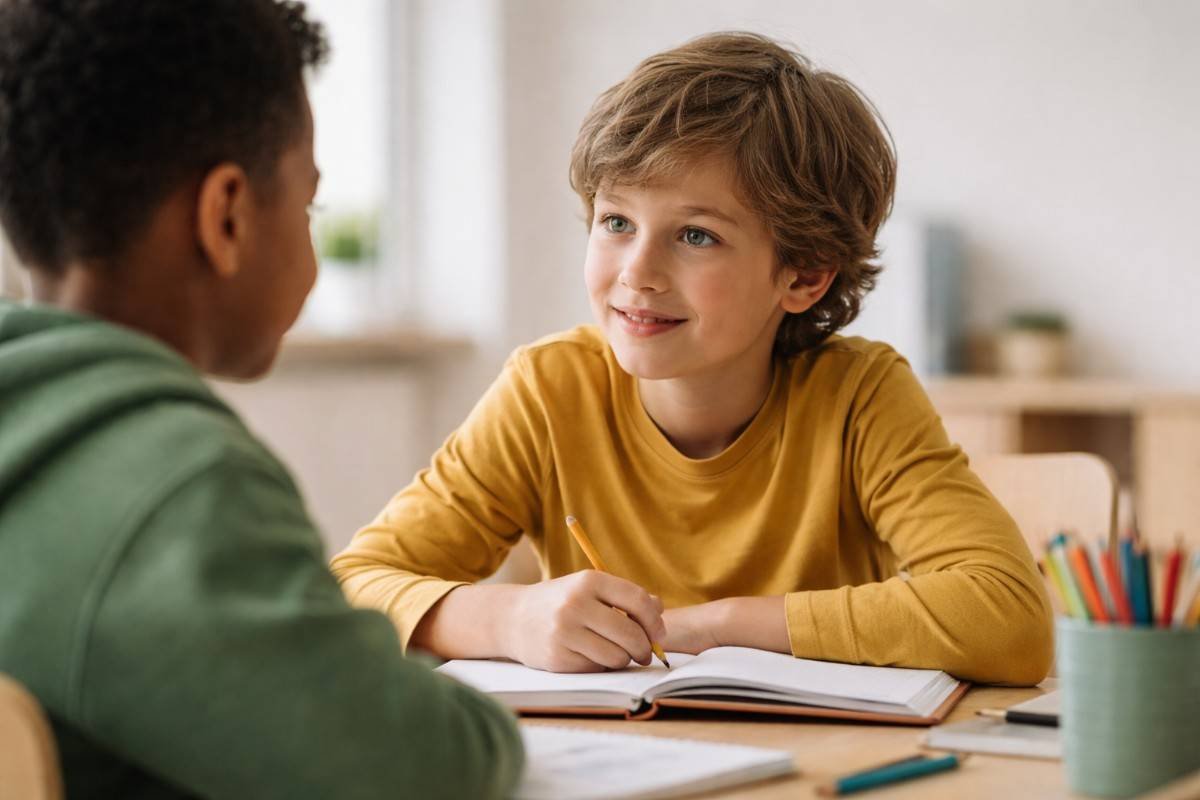
Personality And Confidence Differences
Some children are naturally outgoing, while others are more reserved. Being quiet does not mean a child lacks skills, but it may affect how they express themselves socially. I learned to respect my child’s personality while gently encouraging participation in conversations and activities.
Limited Social Practice
If children do not have enough opportunities to interact, they may struggle with communication and confidence. Social skills improve through repetition and experience. Creating simple opportunities like family discussions or playtime interactions made a big difference in our daily routine.
Impact Of Screen Time
Excessive screen time can reduce real-life interaction. Children may miss out on learning important cues like tone, facial expressions, and body language. Balancing digital time with real conversations helped improve engagement and awareness.
Essential Social Skills For Kids
Strong communication skills: allow children to express feelings clearly. Teaching them to use simple phrases like “I feel upset when” helps them communicate without frustration.
Empathy: teaches children to understand others’ emotions. When kids learn to recognize feelings, they respond more thoughtfully in social situations.
Sharing and cooperation: help children work with others. Whether during play or group tasks, these skills build teamwork and mutual respect.
Conflict resolution: teaches children how to solve problems calmly. Instead of reacting emotionally, they learn to identify issues and find peaceful solutions.
Patience and self-control: help children manage impulses. Waiting for turns and thinking before acting are key parts of social growth.
Manners and etiquette: teach respect and boundaries. Simple habits like saying “please” and “thank you” create positive interactions.
Active listening: helps children fully engage in conversations. Making eye contact and responding thoughtfully builds stronger connections.
Strategies To Teach Social Skills For Kids
Children learn best through observation. Modeling positive behavior in daily life shows them how to communicate and interact effectively. I became more mindful of how I spoke and responded, knowing my child was learning from those interactions.
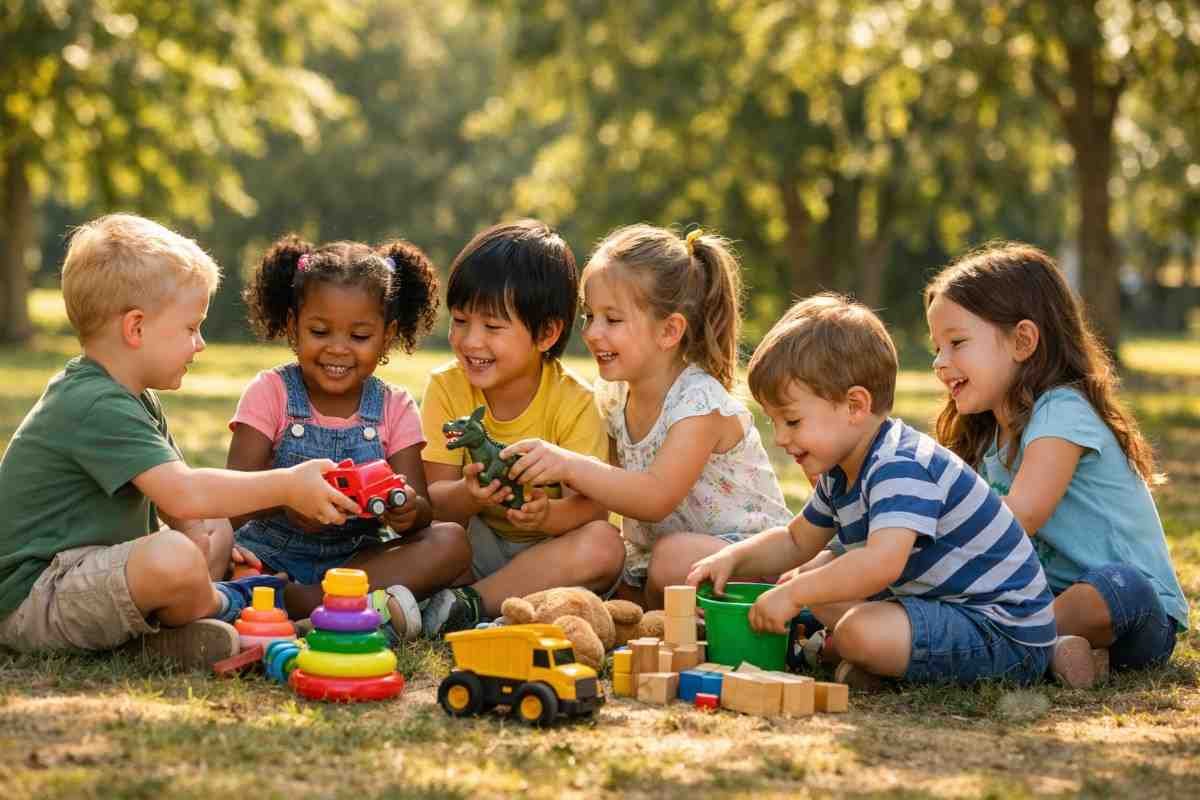
Modeling Positive Behavior
Children learn by watching you. Demonstrating kindness, patience, and respect in everyday situations teaches children how to behave socially. These actions become examples they naturally follow.
Role Playing Social Situations
Practice builds confidence. Role-playing common situations like meeting new people or resolving conflicts helps children prepare for real interactions. It creates a safe space to learn without pressure.
Encouraging Practice Through Play
Play is a powerful learning tool. Games, pretend play, and group activities allow children to practice sharing, listening, and teamwork naturally. Learning feels easier when it is fun and engaging.
Using Positive Feedback
Encouragement reinforces behavior. Praising specific actions like waiting for a turn or listening carefully motivates children to repeat those behaviors. Positive feedback builds confidence and consistency.
How To Social Skills For Kids Step By Step
This step-by-step approach helped me create consistent progress.
- Start by modeling the behavior you want to see. Children observe everything, so showing respect, listening, and patience sets a strong example in everyday life.
- Focus on one skill at a time. I began with simple habits like greeting others and maintaining eye contact. This made learning manageable and less overwhelming.
- Create daily practice opportunities. Encourage conversations at home, involve your child in group settings, and allow them to engage naturally in social situations.
- Use gentle guidance instead of strict correction. Asking questions like “What could you say next time” helped my child reflect and improve without feeling pressured.
- Celebrate small wins consistently. Recognizing even minor improvements built confidence and encouraged continued effort over time.
Activities And Games To Improve Social Skills For Kids
Fun activities make learning natural and enjoyable.
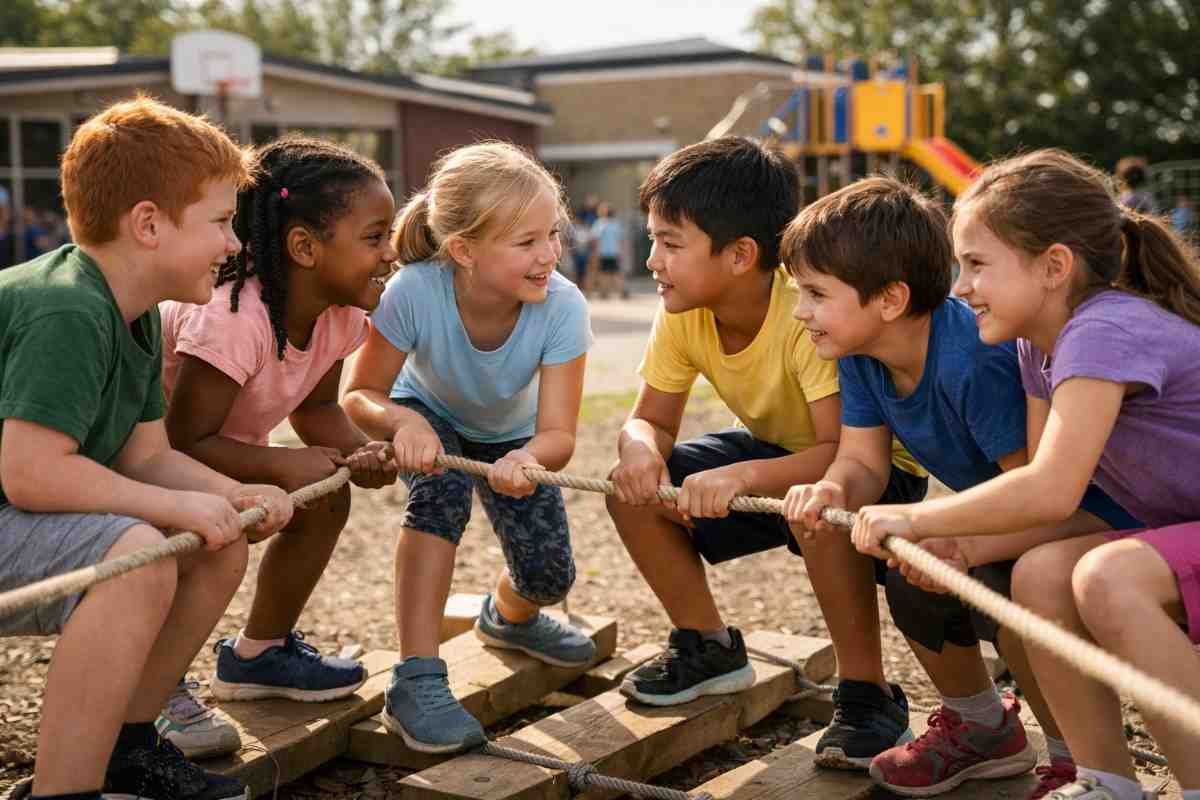
Simon Says And Listening Games
These improve attention and self-control. Games like Simon Says teach children to listen carefully and follow instructions. They also help build patience and focus in a fun way.
Emotion Charades
Understanding feelings becomes easier. In this game, children guess emotions based on expressions and actions. It helps them recognize and respond to feelings in real-life situations.
Group Play And Team Activities
Real interaction builds confidence. Team games and group activities teach cooperation, communication, and problem-solving. They also help children handle winning and losing gracefully.
Frequently Asked Questions
1. What Are Social Skills For Kids?
They are communication and behavior skills that help children interact, build relationships, and manage social situations effectively.
2. Why Are Social Skills Important For Kids?
They help children make friends, succeed in school, and develop emotional understanding and confidence.
3. Can Parents Teach Social Skills At Home?
Yes, daily conversations, role play, and modeling positive behavior are very effective ways to teach these skills.
4. How Long Does It Take To Improve Social Skills?
Improvement varies, but consistent practice over time leads to noticeable and lasting progress.
Let Your Kids Thrive!
Building social skills for kids is a gradual process that requires patience, consistency, and real-life practice. What worked for me was focusing on small daily habits and creating opportunities for interaction. Over time, these efforts helped my child become more confident and comfortable in social settings. With the right approach, every child can develop strong social skills for kids and thrive.