





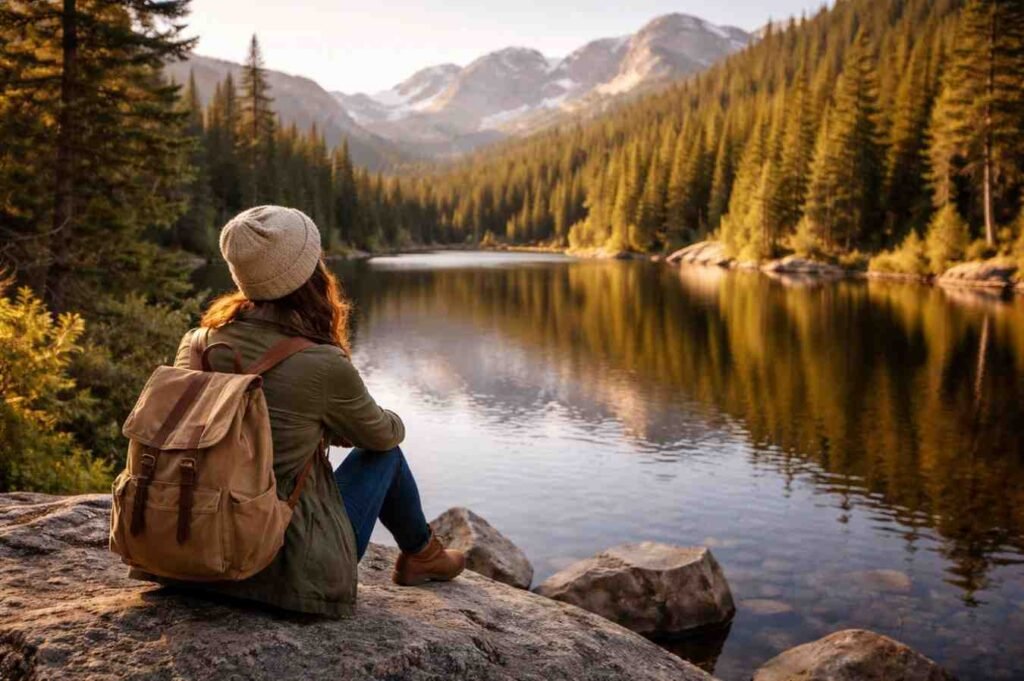
There was a time when travel meant crowded cities, packed itineraries, and trying to see everything in three days. I always came back more tired than when I left. It took me a while to realize that not all travel is actually restful. Some trips are exciting, but not calming. The first time I took a quiet trip surrounded by trees and water, something felt different. My mind slowed down. I wasn’t constantly checking my phone or thinking about work.
That’s when I understood why more people are turning toward nature-based travel for mental clarity. It’s not just about vacations anymore. People are using travel to reset their minds, reduce stress, and step away from constant noise and screens. And the interesting part is that science actually supports this idea; nature really does change how our brain works.
Why Nature Helps The Brain Slow Down

Modern life keeps the brain constantly stimulated. Notifications, traffic, deadlines, conversations, screens, the brain never really rests. Even when sitting at home, most people are still scrolling, watching, or multitasking.
Nature does the opposite. It reduces stimulation instead of increasing it. When you are near trees, mountains, lakes, or open landscapes, your brain doesn’t have to process as much information. This allows the mind to rest and recover from mental fatigue.
This is connected to something called Attention Restoration Theory. The idea is simple: urban environments demand attention, while natural environments gently hold attention. That difference allows the brain to recharge and improves focus and mental clarity.
This is why, after spending time in nature, people often feel like their mind is clearer and decisions feel easier.
Stress Reduction Happens Faster Than People Think

One of the biggest benefits of nature-based travel for mental clarity is stress reduction. Studies show that spending even 20–30 minutes in a natural environment can lower cortisol levels, which is the body’s main stress hormone.
This explains why people often feel calmer near water, forests, or mountains without really knowing why. The body physically relaxes. Heart rate slows down. Breathing becomes deeper. Muscles relax. The mind follows the body.
Over time, this reduces anxiety, overthinking, and mental exhaustion. Many people who feel burnt out from work or daily routines notice a huge mental shift after just a weekend nature trip.
Nature Improves Focus And Decision Making

Mental clarity is not just about feeling calm. It is also about thinking clearly, making decisions faster, and being able to concentrate without feeling mentally tired.
Nature exposure helps restore cognitive function. When the brain gets a break from constant stimulation, memory improves, focus improves, and problem-solving becomes easier. Some research even shows that spending multiple days in nature can significantly improve creativity and problem-solving ability.
This is why many people come back from nature trips with new ideas, clearer goals, or solutions to problems they were stuck on for weeks.
It is not magic. It is just a rested brain working better.
Water, Forests, And Open Landscapes Affect The Mind Differently
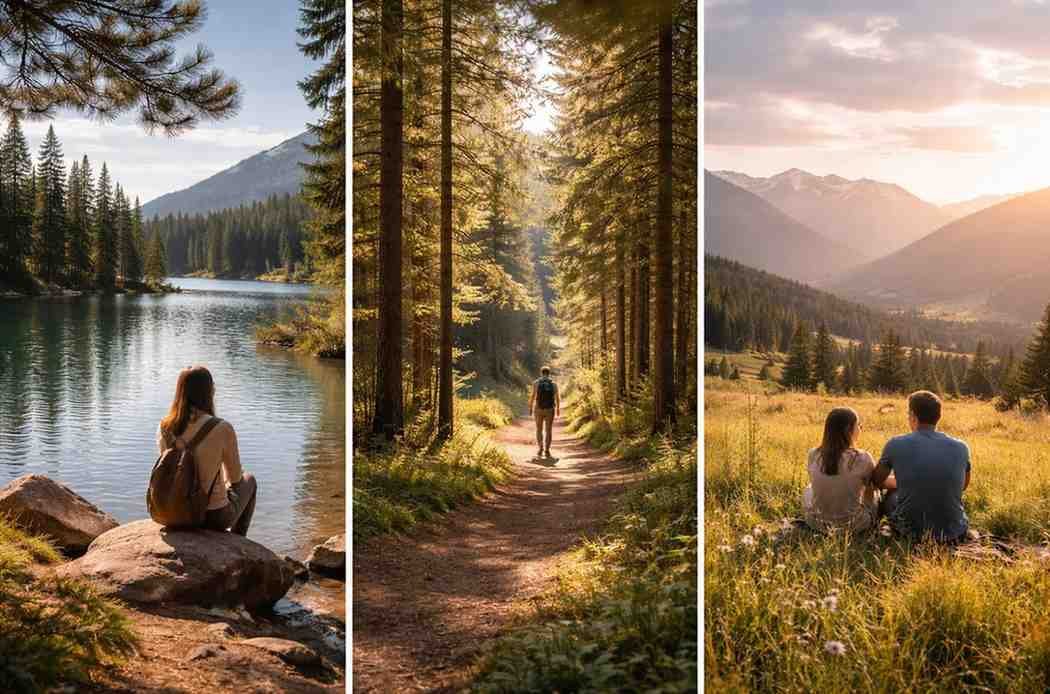
Not all nature environments affect mental health in the same way. Different environments create different mental responses.
Some environments and their mental benefits:
- Forests – Deep relaxation and stress reduction
- Lakes and rivers – Calm thinking and emotional stability
- Mountains – Perspective and mental reset
- Beaches – Relaxation and creative thinking
- Desert or open landscapes – Quiet reflection and clarity
Water environments are especially powerful for mental clarity because repetitive sounds like waves or flowing water calm the nervous system and reduce mental noise.
This is sometimes called the “Blue Mind” effect, where being near water naturally relaxes the brain.
Digital Detox Happens Naturally During Nature Travel
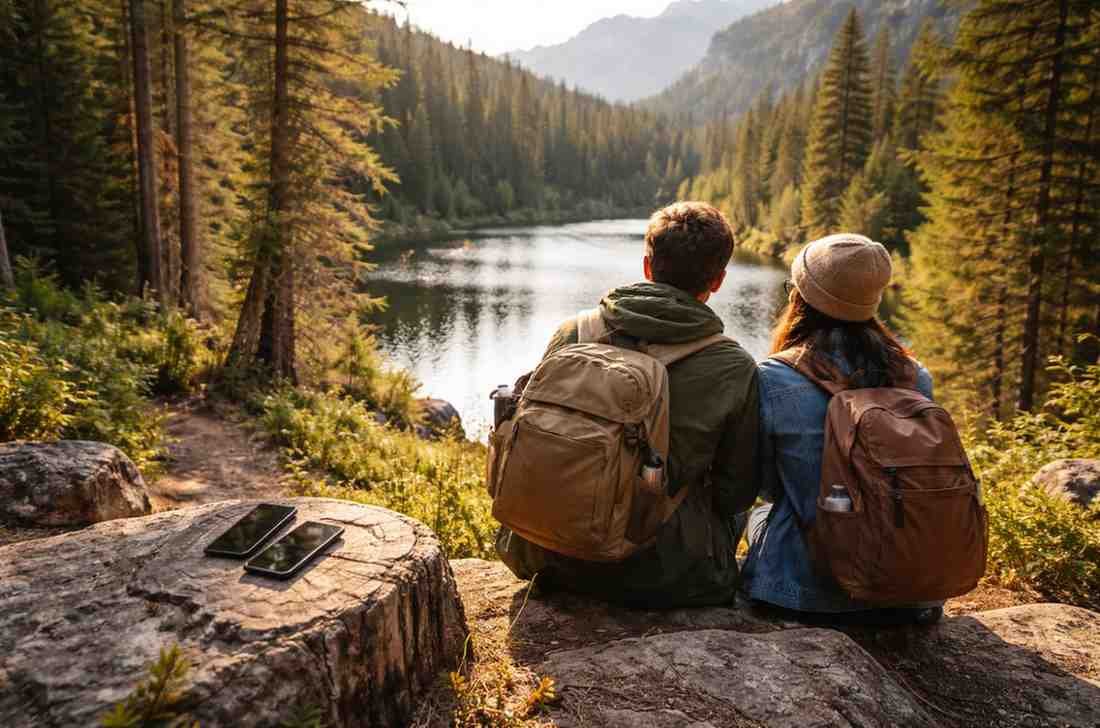
One of the hidden benefits of nature-based travel for mental clarity is that people automatically use their phones less. Not because they are trying to detox, but because there is less reason to constantly check the phone.
When you are hiking, sitting near a lake, watching a sunset, or walking through a forest, the brain becomes engaged with the environment instead of the screen.
This reduces:
- Information overload
- Social media comparison
- News stress
- Work messages
- Constant notifications
- Screen fatigue
Many people don’t realize how mentally tired they are from screens until they spend a few days away from them.
Nature Travel Builds Emotional Stability
Another important benefit that people don’t talk about enough is emotional stability. Spending time in nature reduces rumination, which means repetitive negative thinking. It also reduces anxiety and improves overall mood.
Nature creates space to think without pressure. When people step away from busy environments, they often start reflecting on their life, goals, relationships, and priorities more clearly.
Nature does not just relax the mind. It helps people reconnect with themselves.
FAQs: The Real Benefits Of Nature Based Travel For Mental Clarity
1. Is nature-based travel good for mental health?
Yes, nature travel helps reduce stress, improve mood, increase focus, and reduce anxiety by allowing the brain to rest from constant stimulation.
2. How long should you spend in nature for mental clarity?
Research suggests that around 120 minutes per week in nature can significantly improve mental health and cognitive function.
3. What are the best places for nature-based travel for mental clarity?
Forests, lakes, mountains, beaches, national parks, and quiet rural areas are some of the best environments for mental clarity and relaxation.
4. Does nature travel help with burnout?
Yes, nature travel helps reduce cortisol, improve sleep, reduce mental fatigue, and restore focus, which can help people recover from burnout.
Final Thoughts
Nature-based travel for mental clarity is not really about travel. It is about creating mindful travel habits between yourself and constant noise. Most people are not physically tired. They are mentally tired. Their brain is overloaded with information, decisions, screens, and stress. Nature gives the brain something it rarely gets, quiet time without pressure. That quiet time is where clarity comes from.
Sometimes the best trips are not the busiest ones. They are the quiet ones where nothing much happens, but you come back feeling like your mind finally had time to breathe.