





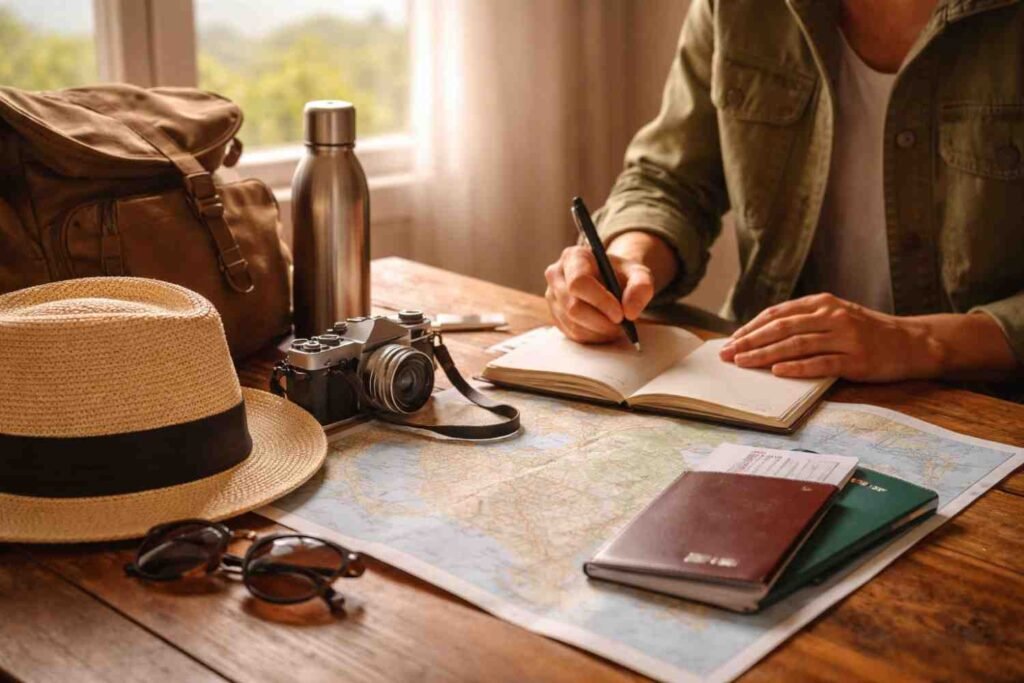
Travel used to mean packing as many places as possible into a few days, taking hundreds of photos, and coming back more tired than before the trip. For a long time, that felt normal. But after a few rushed trips that felt more like checklists than experiences, I started changing how I traveled. That is where mindful travel habits slowly became part of my routine.
Mindful travel is not about luxury, expensive trips, or perfect itineraries. It is about being present, intentional, and aware while traveling. When you travel this way, you remember conversations, smells, streets, and small moments, not just landmarks. Over time, these small habits can completely change how meaningful a trip feels.
What Mindful Travel Really Means
Mindful travel habits are about traveling with intention instead of rushing from one attraction to another. It means paying attention to where you are, how you feel, and what you are experiencing instead of constantly thinking about the next place, the next photo, or the next activity.
Many people travel fast and return home exhausted. Mindful travel is the opposite. The goal is to travel in a way that feels calm, meaningful, and memorable rather than rushed and overwhelming. When you start traveling mindfully, trips feel longer, memories feel stronger, and experiences feel more personal.
Start With Intention Before the Trip
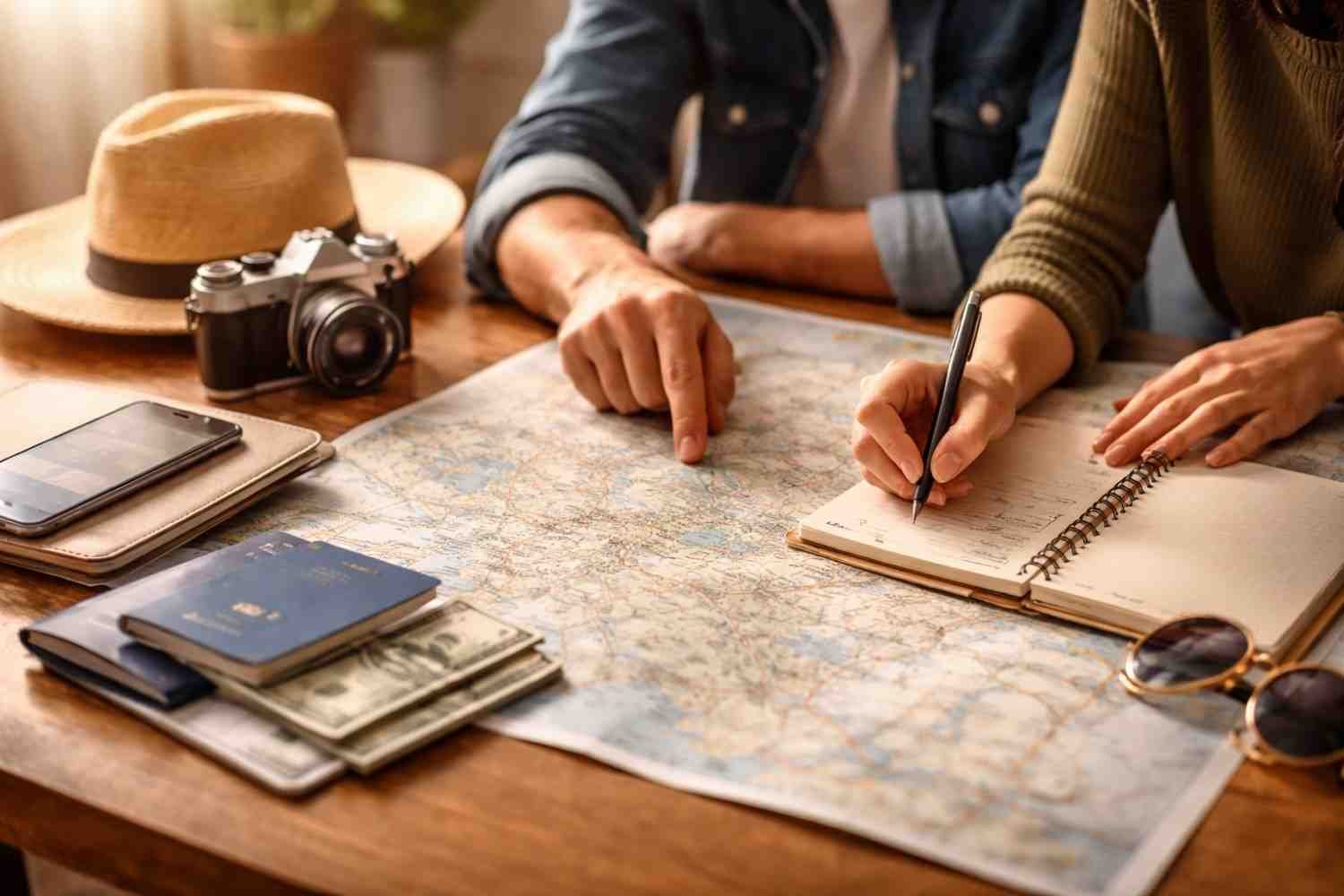
Meaningful trips usually start before you even leave home. Planning with intention changes the entire travel experience. Instead of planning everything around popular attractions, plan around what you actually want from the trip.
Ask yourself a simple question:
Do I want rest, adventure, culture, food experiences, or just a break from routine?
This helps you avoid overplanning and travel burnout. It also helps you say no to activities that do not actually matter to you.
Another mindful travel habit is packing light. Carrying fewer things reduces stress, makes moving easier, and makes travel feel simpler. Many experienced travelers say lighter packing instantly makes trips more enjoyable.
Travel Slower, Experience More
One of the most important mindful travel habits is slow travel. Many people try to visit multiple cities in a short time, but they end up spending most of the trip in airports, trains, and taxis.
Traveling slower allows you to:
- Notice daily life in a new place
- Visit local markets and neighborhoods
- Build routines while traveling
- Feel less rushed and less stressed
- Create deeper memories
Spending more time in fewer places almost always leads to more meaningful travel experiences. You start recognizing streets, cafes, and people. The place starts to feel familiar instead of just another stop.
Be Present Instead of Documenting Everything
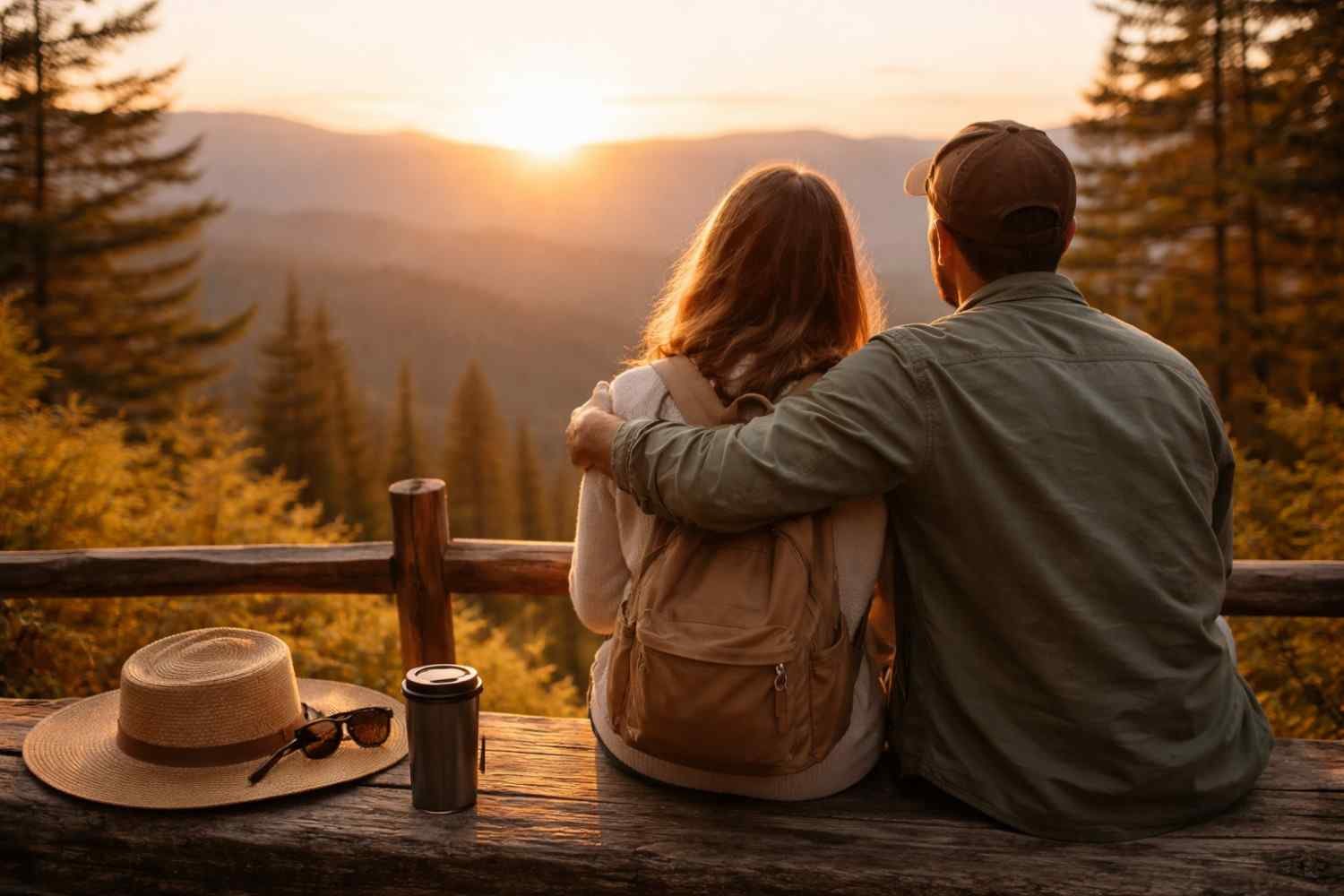
One common travel habit today is seeing everything through a phone camera. Photos are great, but when every moment becomes content, you stop actually experiencing the place.
Try simple habits like:
- Watching a sunset without recording it
- Eating a meal without using your phone
- Walking through a market without taking photos
- Sitting in a park and just observing people
- Listening to street sounds and conversations
These moments often become stronger memories than photos.
Use Your Senses While Exploring
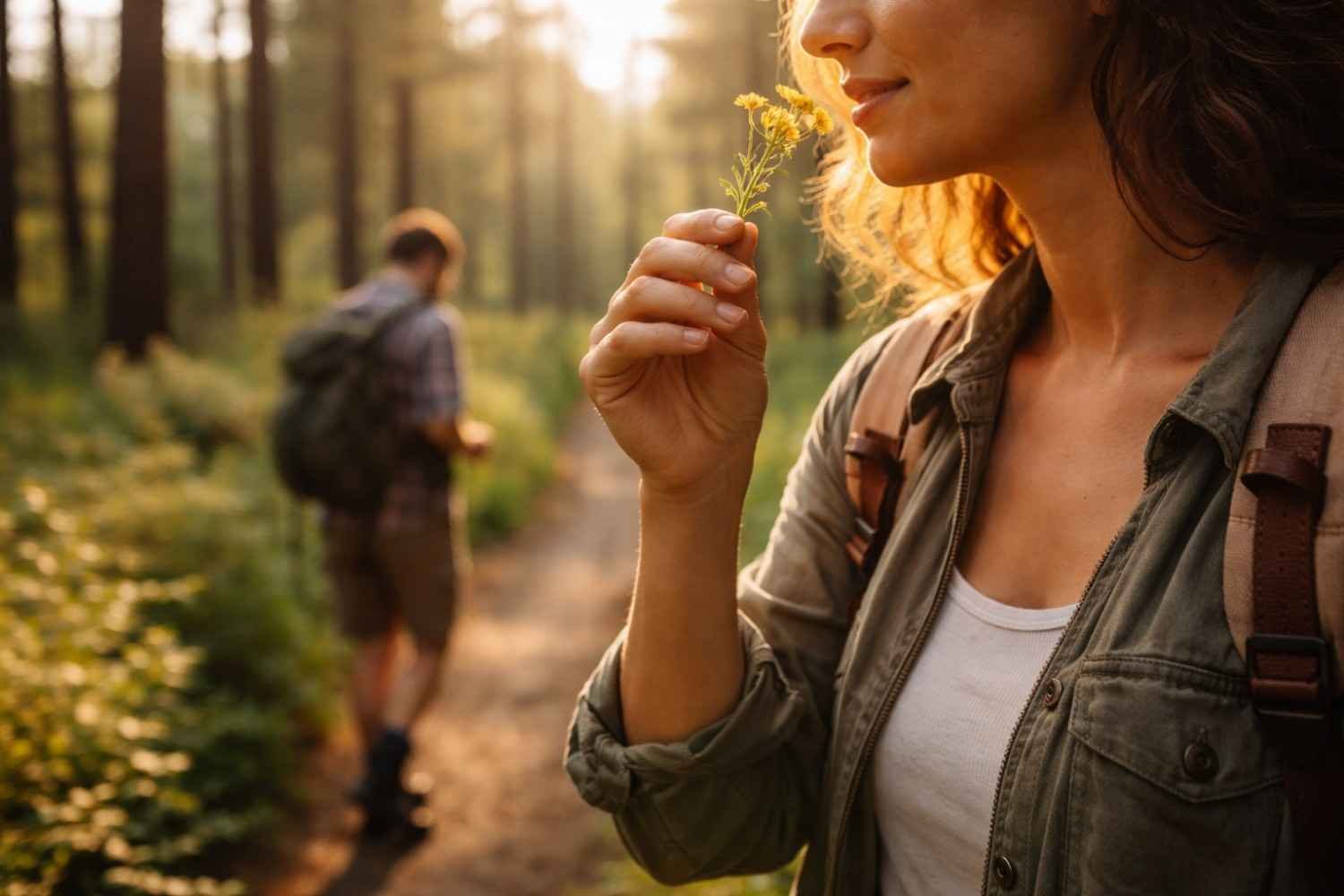
A simple way to travel mindfully is to pay attention to your senses. Instead of just seeing places, try to notice how places feel.
Notice:
- The smell of local food
- The sound of different languages
- The texture of streets and buildings
- The music playing in cafes or stores
- The pace of daily life
This makes travel more immersive and memorable. You start remembering places by how they felt, not just how they looked.
Connect With Local People and Places
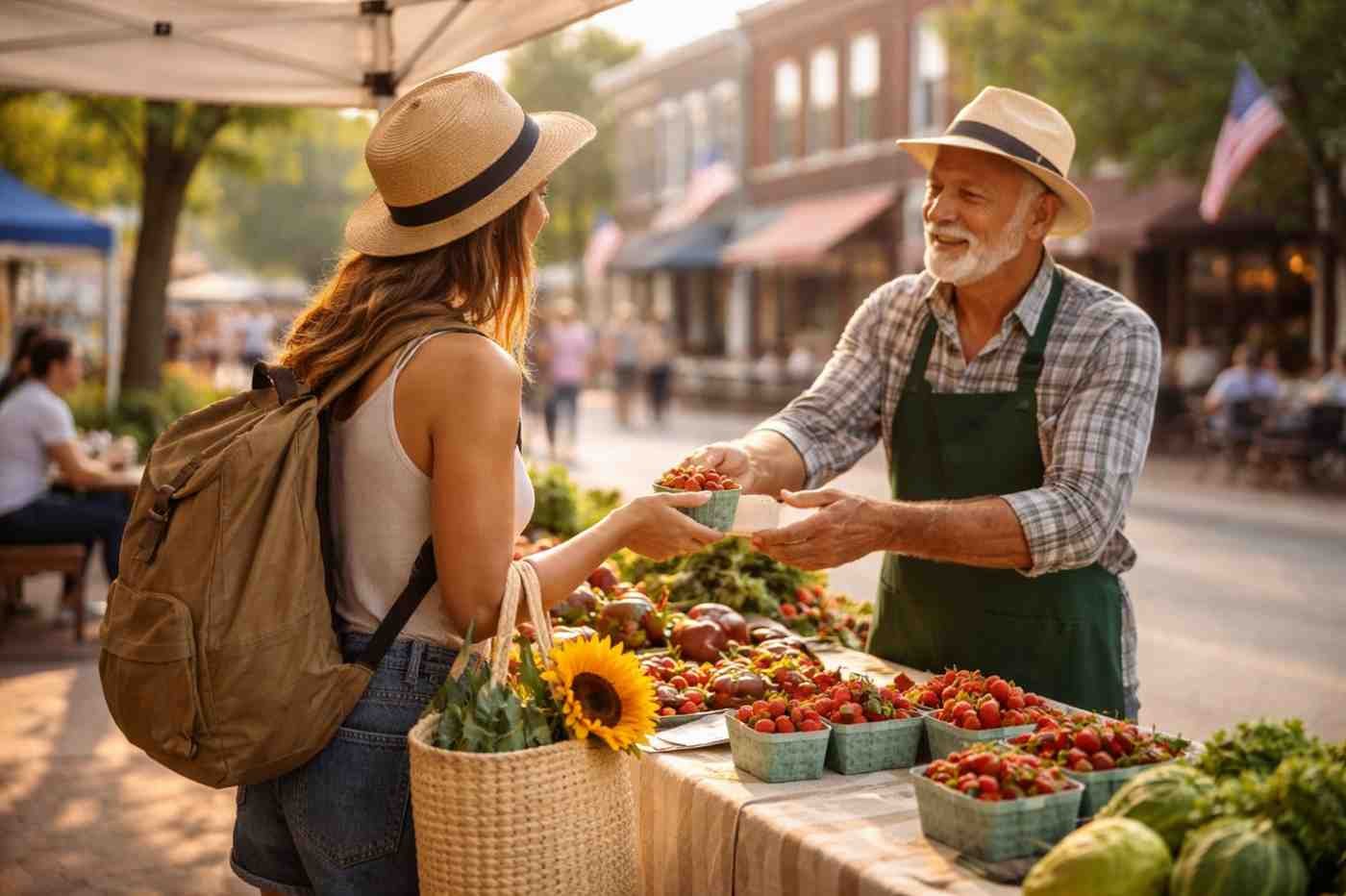
Mindful travel is also about connection, not just sightseeing. Some of the most memorable travel moments come from small conversations or unexpected recommendations.
Try to:
- Ask locals where they like to eat
- Visit small neighborhood cafes
- Shop from local markets
- Use local transport
- Stay in locally owned accommodations
Supporting local businesses and interacting with local people makes travel more meaningful and responsible at the same time. You also discover places that are not in travel guides.
Take Time to Reflect During the Trip
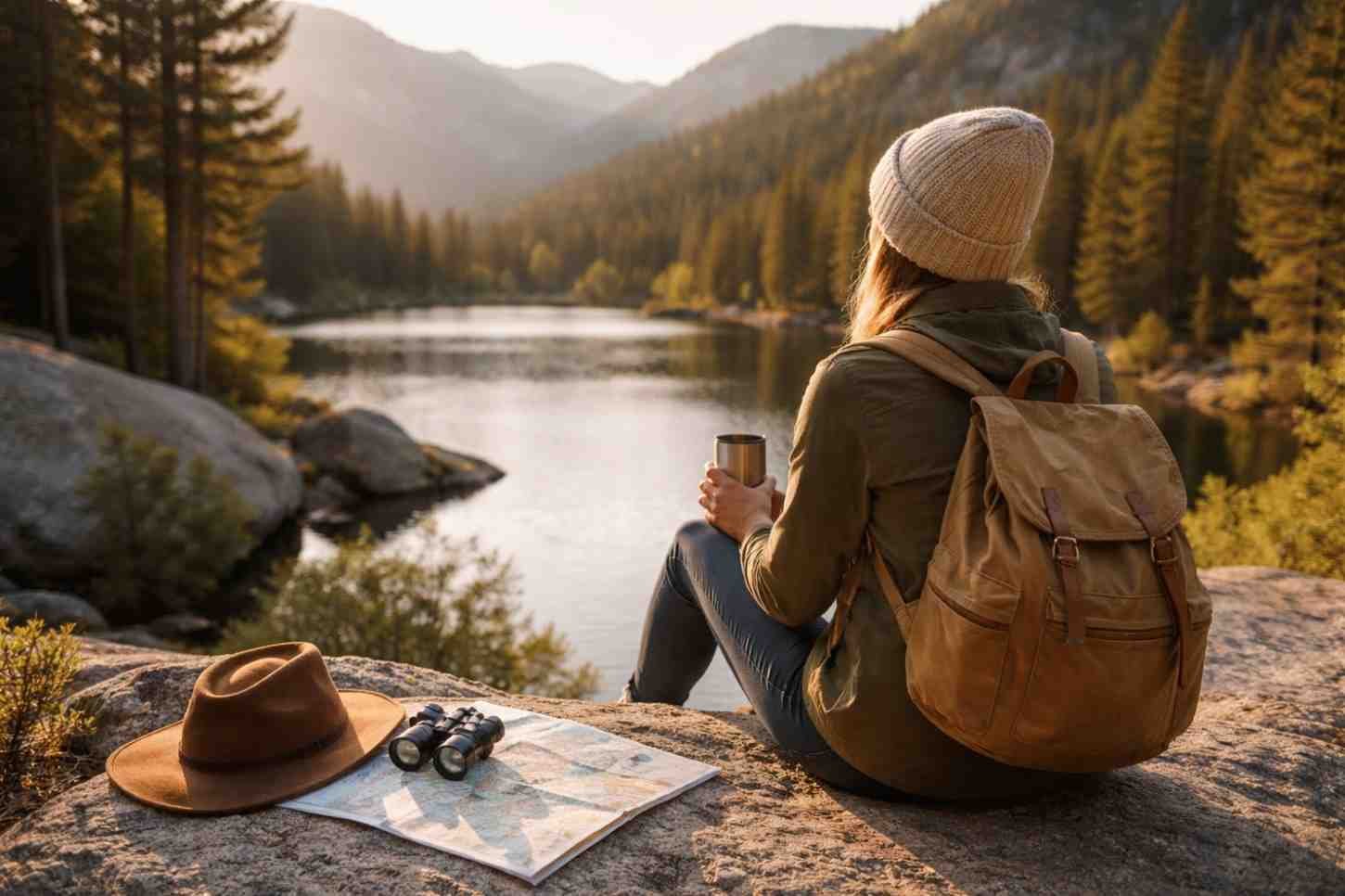
Most people move from one place to another without ever thinking about what they experienced. Reflection is an important mindful travel habit because it helps turn experiences into memories.
Simple reflection habits:
- Write a few lines in a journal at night
- Note one thing you learned that day
- Write three things you were grateful for
- Record one memorable conversation
- Save small things like tickets or maps
These small habits help you remember trips and personal growth in a better way, even years later.
FAQs: Simple Mindful Travel Habits for More Meaningful Trips
1. What are mindful travel habits?
Mindful travel habits are simple behaviors that help you stay present, travel intentionally, and focus on meaningful experiences instead of rushing through tourist attractions.
2. How do I start mindful travel?
Start by planning fewer activities, traveling more slowly, packing light, spending less time on your phone, and taking time to reflect on your experiences each day.
3. Is mindful travel the same as slow travel?
Slow travel is a big part of mindful travel, but mindful travel also includes being present, connecting with local culture, and traveling responsibly.
4. Why is mindful travel important?
Mindful travel helps reduce travel stress, prevents travel burnout, creates deeper memories, and makes trips feel more meaningful and personal.
Final Thoughts
Mindful travel habits do not require expensive trips or complicated planning. They are small changes in how you travel, how you experience places, and how you remember your journeys. Traveling slower, being present, talking to people, and reflecting on experiences can completely change how travel feels. Instead of returning home tired, you return home with stories, memories, and a different perspective.
In the end, meaningful trips are not about how many places you visit, but how deeply you experience the places you go.