




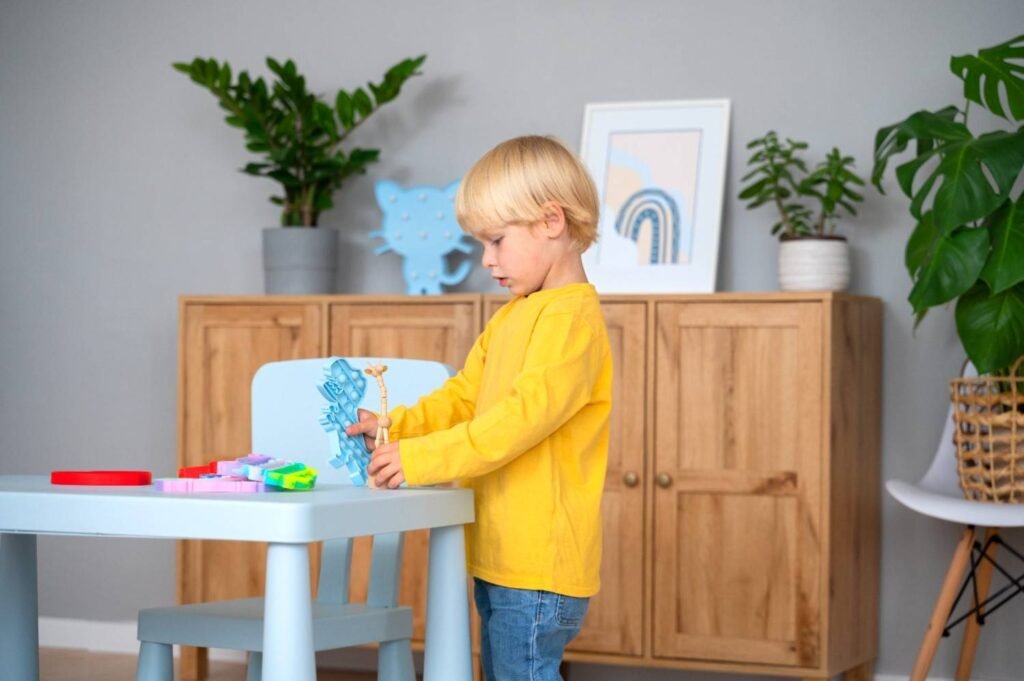
I’ve had those long days where my toddler is bouncing off the walls and I’m out of ideas by 10 AM. That’s exactly why I started testing simple indoor activities for toddlers that actually work in real life.
Not the complicated Pinterest setups, but easy, low-prep ideas that keep them busy, happy, and learning. If you’re trying to survive rainy days, cold weather, or just a long afternoon at home, these ideas will completely change your routine.
Why Indoor Play Matters for Toddler Development
When I first started planning activities, I thought it was just about keeping my toddler busy. But I quickly noticed how much learning was happening through play.
Simple indoor play helps toddlers develop fine motor skills, improve coordination, and build problem-solving abilities. Activities like sorting, stacking, and pouring strengthen focus and independence. At the same time, movement-based play supports physical development and helps release energy in a healthy way.
Most importantly, these activities create confidence. When toddlers complete small tasks on their own, they feel proud and capable.
What Are the Best Indoor Activities for Toddlers at Home?
From my experience, the best activities are simple, flexible, and use items already available at home. I usually divide them into sensory, physical, creative, and daily life activities.
Sensory and Skill-Building Activities Toddlers Love
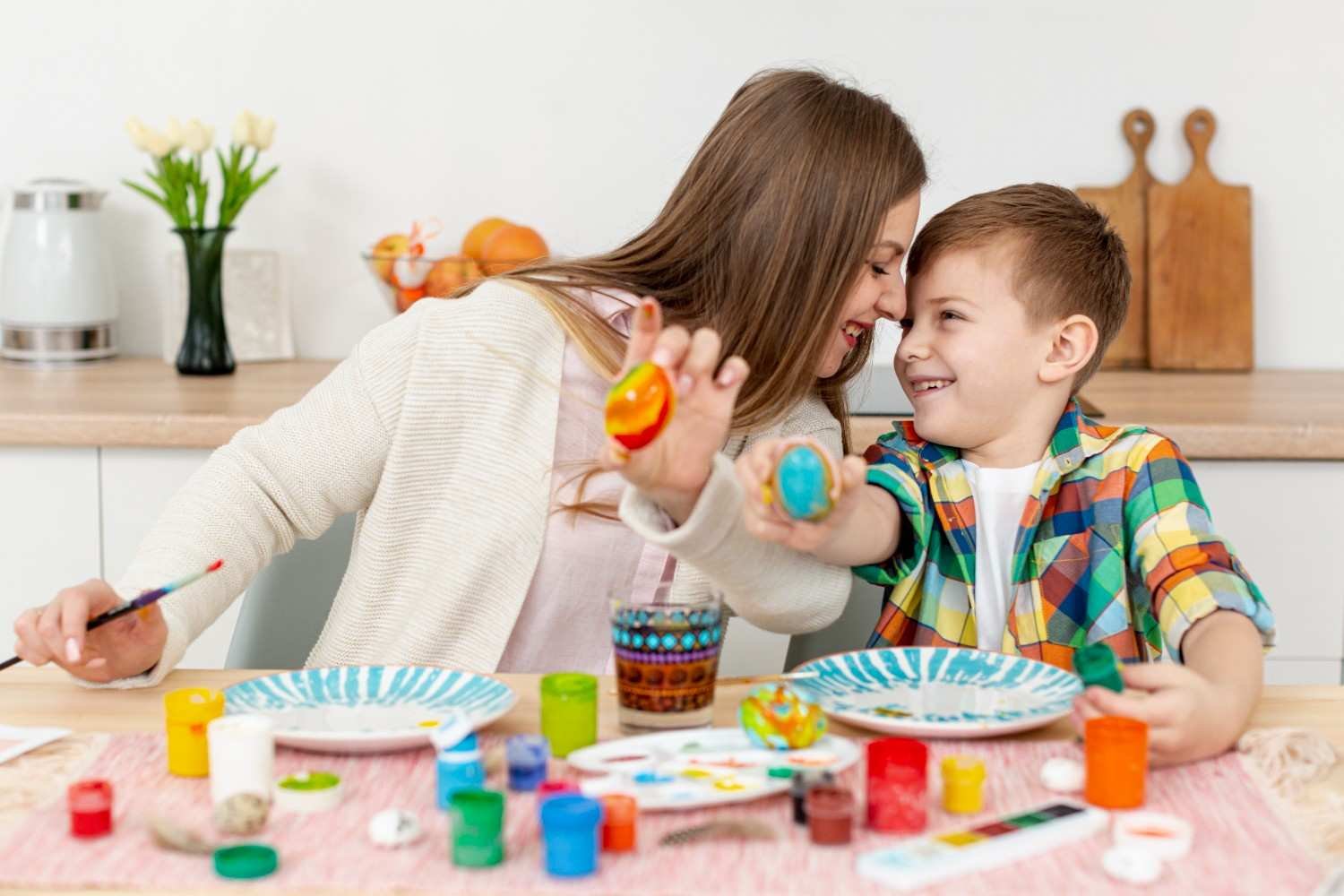
Sensory play has been one of the most effective ways to keep my toddler engaged while also building important skills that support early childhood development.
I often set up sensory bins using uncooked rice, dried beans, or pasta. Then I add scoops, bowls, and small toys so my toddler can explore freely. This improves focus and fine motor control.
Another favorite in my home is a simple toy wash station. I use two bins, one with soapy water and one for rinsing, and let my toddler clean toy cars or plastic animals. It keeps them engaged for a long time.
Color sorting also works extremely well. I use a muffin tin or egg carton and ask my toddler to sort pom poms or small toys by color. This strengthens coordination and early learning skills.
For something more active, I create a ball or pom pom drop using paper towel rolls taped to the wall. My toddler loves watching objects roll down and collecting them at the bottom.
Physical and Gross Motor Activities for High-Energy Toddlers
On days when my toddler has extra energy, I focus on movement-based activities that are safe indoors.
I like to build simple obstacle courses using couch cushions, pillows, and blankets. My toddler crawls under, climbs over, and balances through the setup, which keeps them active and engaged.
Painter’s tape roadways are another easy idea. I create roads on the floor for toy cars, which turns into hours of imaginative play.
Balloon games are also a favorite in my home. We play “keep the balloon up” or use paper plates for balloon tennis. These activities are safe and fun.
Sometimes, I simply turn on music and start a dance party. Freeze dance works especially well because it adds excitement and structure.
Creative Indoor Activities That Build Imagination
Creative play has helped me slow things down while still keeping my toddler entertained.
A simple cardboard box can become anything. I’ve turned one into a car, a fort, and even a rocket ship. Adding crayons or stickers makes it even more fun.
Mess-free painting is another go-to. I put paint inside a sealed zip bag and tape it to a surface. My toddler presses and mixes colors without any mess.
Playdough is also incredibly effective. I use cookie cutters and simple tools to keep things interesting while improving hand strength.
Sticker art is one of the easiest options. I give my toddler stickers and paper, or sometimes let them stick reusable ones on windows for variety.
Daily Life Activities That Teach Independence
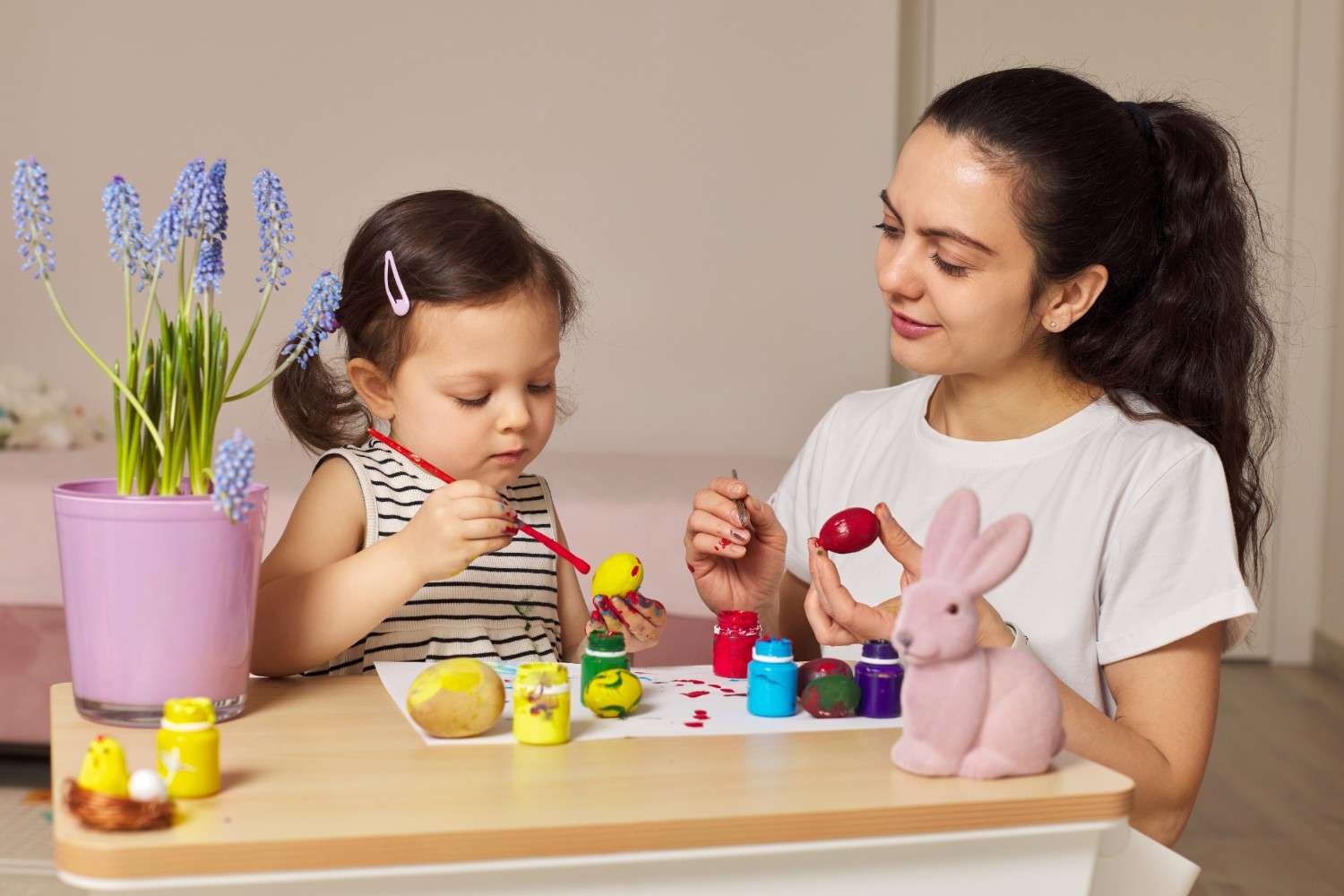
Some of the best indoor activities for toddlers don’t look like play at all. They come from everyday routines.
I let my toddler help in the kitchen by stirring ingredients, washing vegetables, or tearing lettuce. These small tasks build confidence and practical skills.
Laundry time is another opportunity. My toddler helps sort socks by color or puts clothes into the washing machine. It keeps them involved and teaches responsibility in a simple way.
How Do I Keep My Toddler Busy Indoors Without Screens?
This used to be one of my biggest challenges. What worked for me was creating variety and structure.
I rotate toys every few days so they feel new again. I also create small activity zones around the house, such as a reading corner, a play area, and a creative station.
Instead of relying on one activity, I move between sensory play, movement, and quiet time. This balance keeps my toddler engaged throughout the day without needing screens.
How To Set Up Indoor Activities for Toddlers Step by Step
Over time, I developed a simple routine that makes everything easier.
First, I observe my toddler’s mood and energy level. If they are active, I choose movement-based play. If they seem calm, I go for sensory or creative activities, which is especially helpful in helping toddlers to manage emotions.
Next, I gather simple materials from around the house. I avoid overcomplicating things because toddlers don’t need perfection to stay engaged. Then, I set up the activity in a safe and distraction-free space. This helps my toddler focus better.
Finally, I step back and let them explore. I stay nearby but avoid interrupting, which encourages independence and creativity.
What Are Easy Indoor Activities for Toddlers on Rainy Days?
Rainy days used to feel overwhelming, but now I treat them as an opportunity to get creative.
Indoor obstacle courses help burn energy quickly. Creative play like drawing, painting, or building keeps my toddler engaged for longer periods.
I also set up quiet activities like reading or sticker play to balance high-energy moments. This mix creates a smoother and more manageable day.
Common Mistakes to Avoid With Indoor Toddler Activities
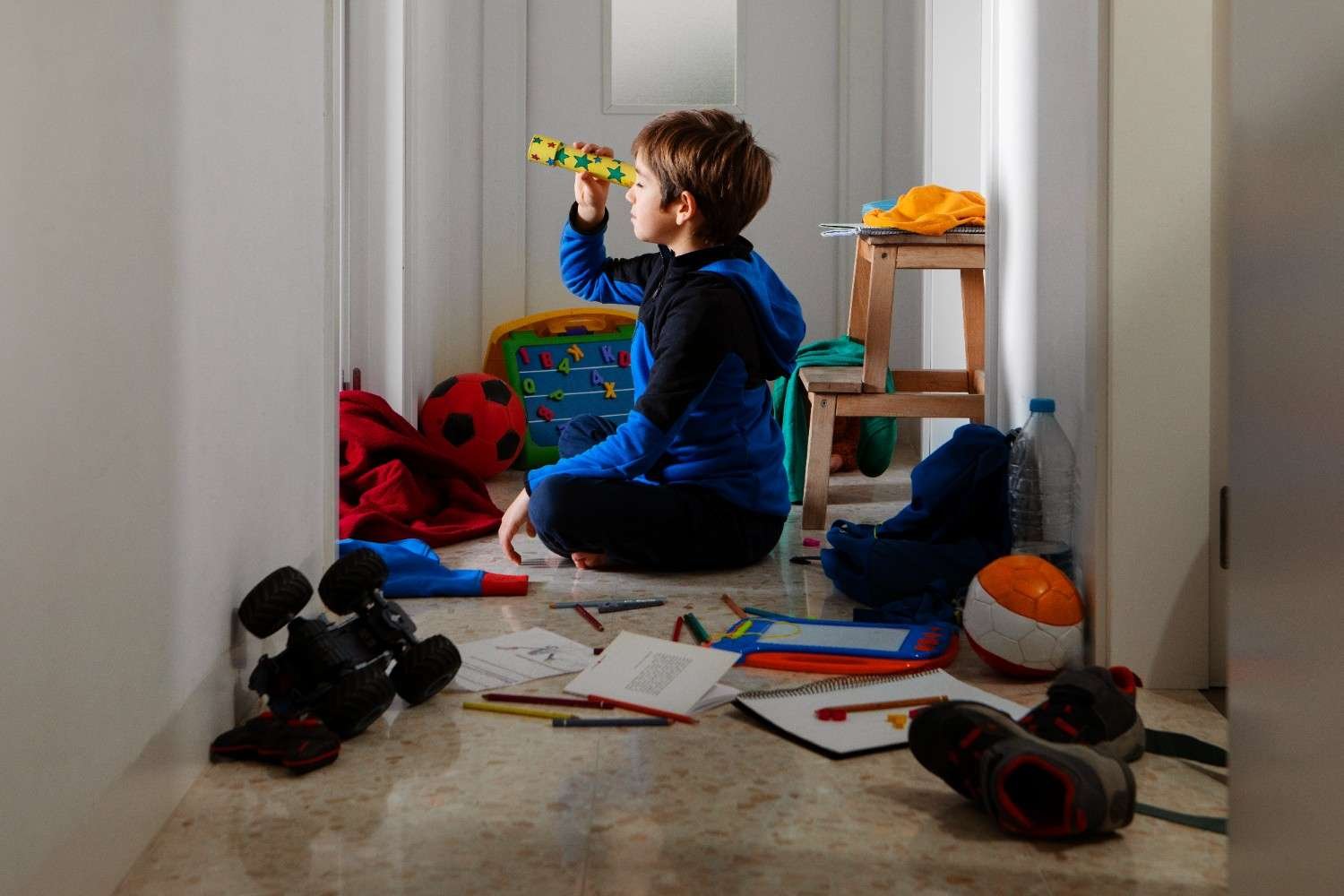
One mistake I made early on was trying to do too much. Complex setups often led to frustration instead of fun.
Another mistake was expecting long attention spans. Toddlers naturally switch activities quickly, and that’s completely normal.
I also learned not to rely heavily on screens. While they can help occasionally, they reduce creativity and active engagement over time.
Keeping things simple and realistic has made the biggest difference in my routine.
FAQs About Indoor Activities for Toddlers
1. What are the easiest indoor activities for toddlers?
The easiest options include sensory bins, dancing, stacking blocks, sticker play, and simple sorting activities. These require minimal setup and work consistently.
2. How long should a toddler play with one activity?
Most toddlers stay engaged for about 5 to 15 minutes. I follow their interests rather than forcing longer sessions.
3. Are these activities suitable for small homes or apartments?
Yes, most of these ideas require very little space. Activities like sorting, sticker art, and sensory bins work well in small areas.
4. How do I keep my toddler entertained all day indoors?
I rotate between sensory, physical, and creative activities. This balance keeps the day structured and prevents boredom.